





Implantation is considered one of the most reliable ways to restore lost teeth. When planning implantation, patients often want to know in advance how long implants last and whether they will need to be replaced in the future.
Modern implant systems are designed for long-term use. With high-quality implantation and adherence to care rules, the service life of implants can remain stable for decades. Thanks to a correct approach to oral health, their lifespan is comparable to the patient’s own lifespan.
What factors affect the lifespan of an implant?
The success of implantation begins at the stage of diagnosis and treatment planning. Before installing an implant, the doctor assesses the condition of the oral cavity, bone tissue volume, bite characteristics, and other factors that can affect the long-term result.
The period for which implants are placed depends on a number of factors:
- quality of the implant system;
- professionalism of the doctor;
- condition of the bone tissue;
- gum health;
- compliance with post-treatment recommendations;
- level of daily hygiene;
- presence of bad habits;
- regularity of preventive check-ups.
One of the key factors for the long-term success of implantation remains the health of the gums and bone tissue. Insufficient hygiene increases the risk of changes in the surrounding tissues, which may require additional intervention by a specialist.
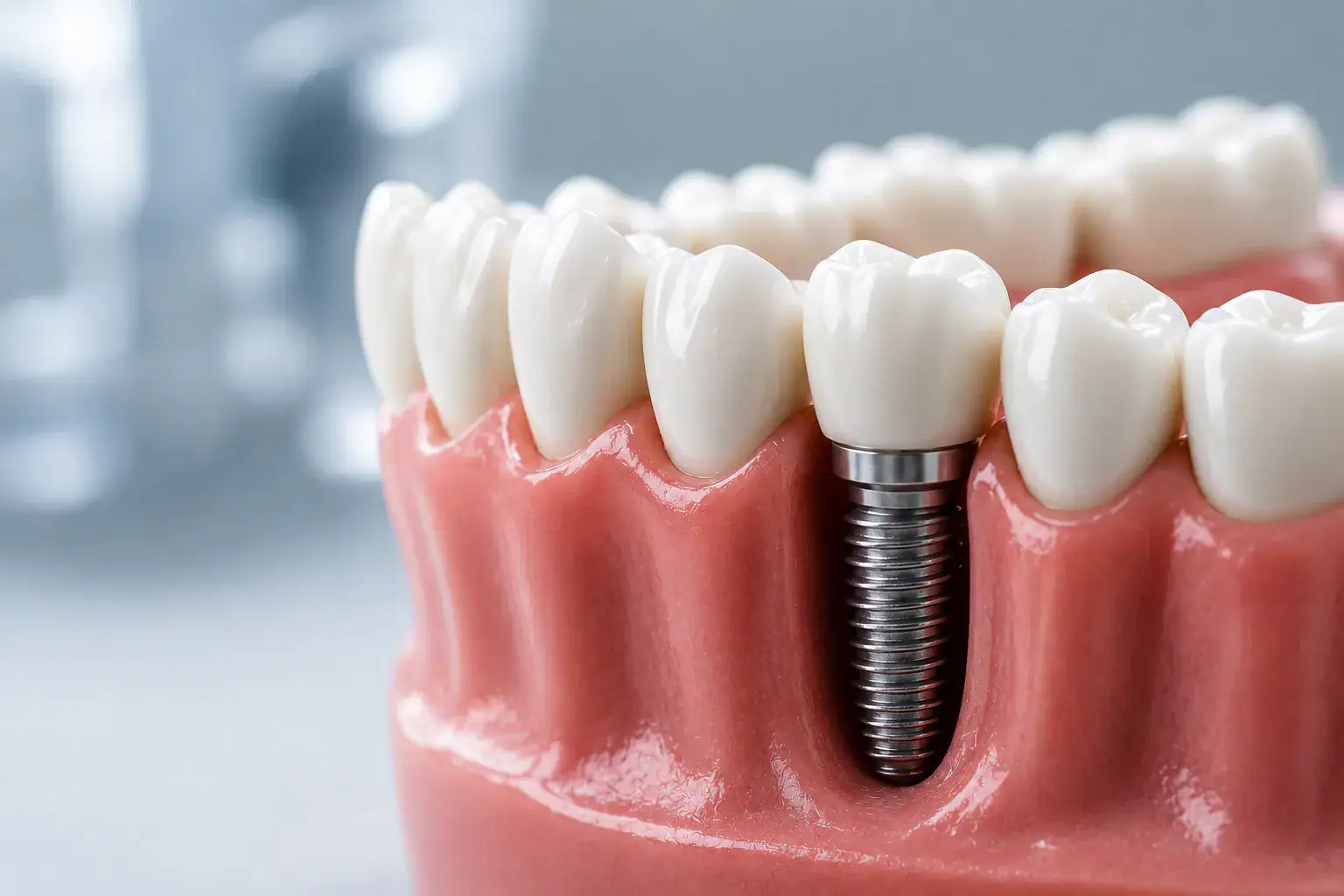
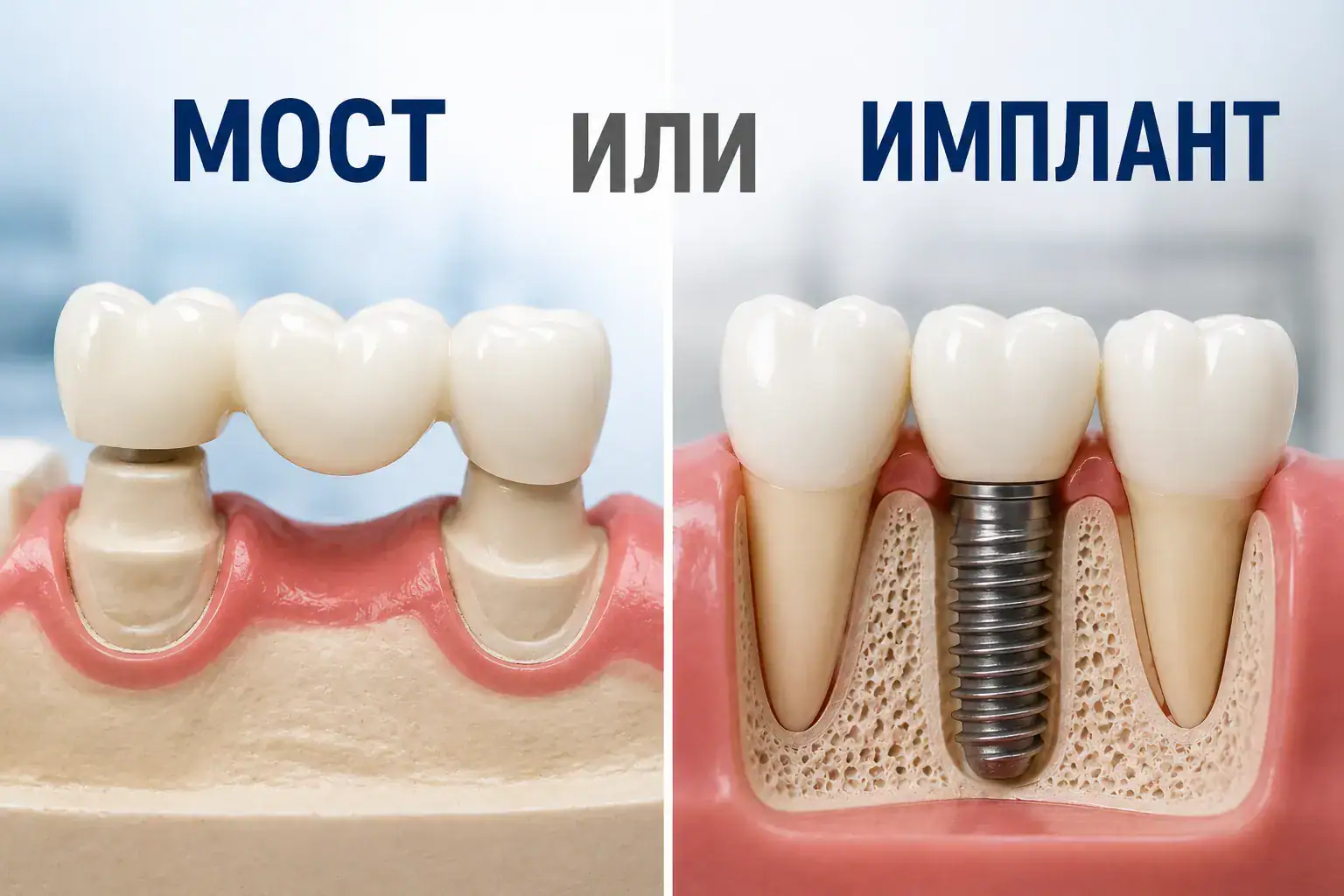
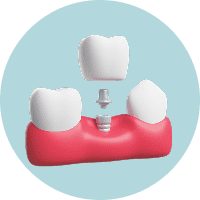
It is also important to understand that the root-mimicking structure and the crown placed on it have different lifespans. The implant itself integrates into the jawbone and can function for decades. The crown undergoes daily functional loads, which may eventually lead to the need for its replacement.
Additional impact on the longevity of the result is exerted by metabolic characteristics, chronic diseases, and the patient’s lifestyle. That is why implantation is considered a long-term restoration requiring regular monitoring by a specialist.
How to prolong the lifespan of an implant?
After treatment is completed, proper oral care becomes of great importance. Following recommendations helps maintain gum health and preserve the stability of the implant for many years.
Many patients mistakenly believe that after the placement of an implant, the need for regular dental visits disappears. However, to preserve the result, it is important to pay attention not only to the structure itself but also to the condition of the surrounding tissues. For this, specialists recommend:
- maintaining a high level of daily hygiene;
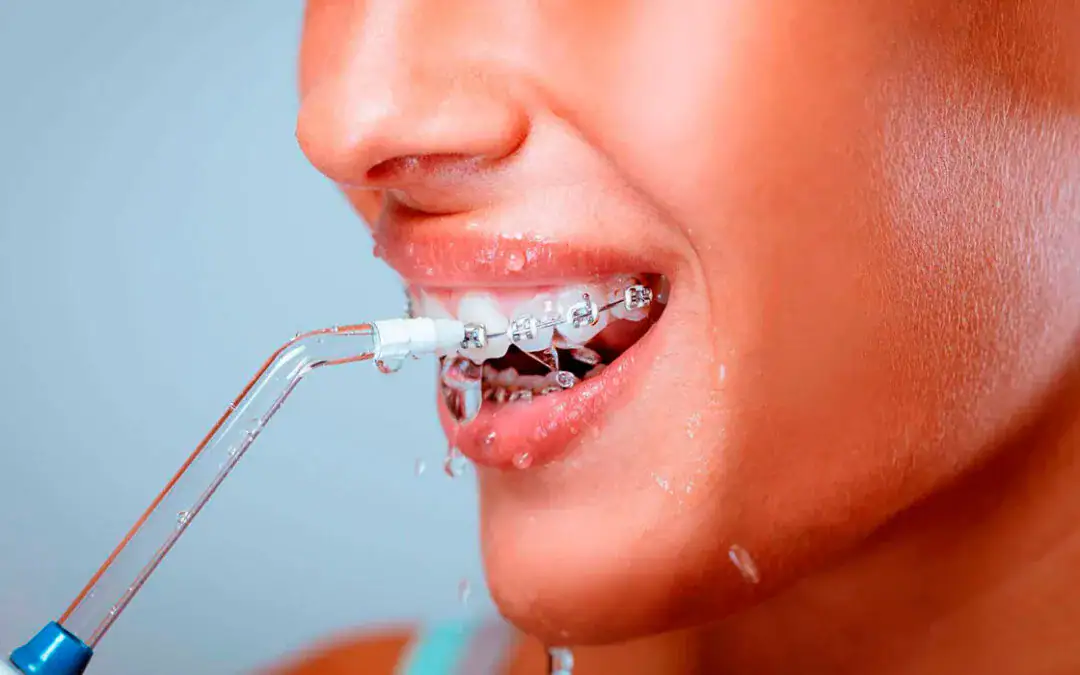
- regularly removing plaque from hard-to-reach areas;
- monitoring gum health;
- not missing scheduled dental visits.
Such an approach helps reduce the risk of complications and ensure the longevity of dental implants.
At the Doctor Dent clinic, great attention is paid not only to implantation but also to the subsequent follow-up of patients. Comprehensive diagnostics, professional hygiene, and regular monitoring allow maintaining oral health and preserving the treatment result for the longest possible time.