






Ceramic Crowns at Doctor Dent
A ceramic crown is a durable prosthetic restoration in the form of a “cap” that fully covers a tooth on all sides to restore its shape, function, and aesthetics. At the Doctor Dent dental clinic in Astana, we primarily perform tooth restorations using all-ceramic (metal-free) crowns, as they represent the modern gold standard in aesthetic dentistry.
Ceramic crowns are characterized by high strength, reliability, and flawless aesthetics. As a result, the patient receives a fully functional tooth that looks natural and blends harmoniously into the dentition. We install crowns both on damaged natural teeth and on dental implants.
We guarantee the most conservative tooth preparation possible. By working under magnification (microscopes and loupes), we perform minimal tissue shaping. This allows us to preserve the maximum amount of healthy enamel. After treatment, your smile will look youthful, neat, and natural.
What problems do all-ceramic crowns solve?
At Doctor Dent, the majority of prosthetic restorations are performed using ceramic crowns. They are the optimal choice if you have:
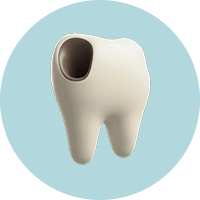
- Significantly decayed teeth where an inlay/onlay is no longer an option.
- Several damaged or weakened teeth in the mouth.
- Severe tooth wear (attrition), causing the crown part of the tooth to shorten.
- Dental trauma.
- Undergone root canal treatment.
According to modern protocols, it is highly recommended to cover a tooth with a crown after endodontic treatment. This is necessary to protect weakened tissues and restore full chewing functionality. A ceramic crown prevents fractures and extends the lifespan of the treated tooth.
Need a crown? 3 reasons to choose Doctor Dent
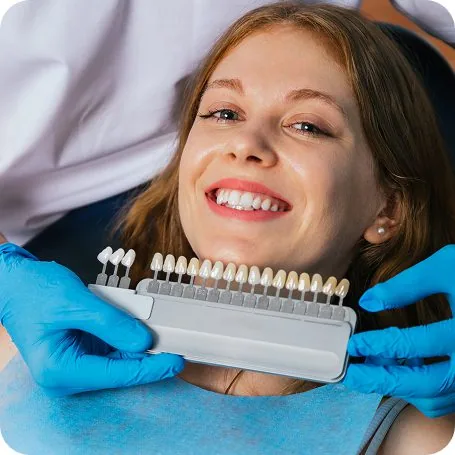
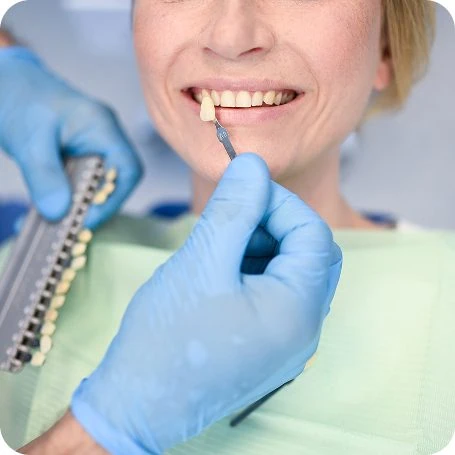
- Expertise in Aesthetics and Prosthodontics Our restorative dentists specialize in aesthetic dentistry. We meticulously select the color, shape, and anatomy of the tooth so the result looks as natural as possible. No one will notice that the tooth has been restored with a crown.
- Working Exclusively Under Magnification All stages—from preparation to final fixation—are performed under optical magnification. This ensures a precise marginal fit, minimal tissue removal, and long-lasting results.
- Complete Anti-Stress Comfort At the patient’s request, treatment and prosthetics can be performed under sedation—either light or deep. While you relax in the chair, the doctor performs all necessary procedures.
What types of ceramic crowns do we install?
Single Crowns on Natural Teeth
Used when more than 50% of the tooth crown is destroyed, as well as after root canal treatment or trauma.
Crowns on Implants
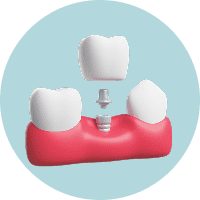
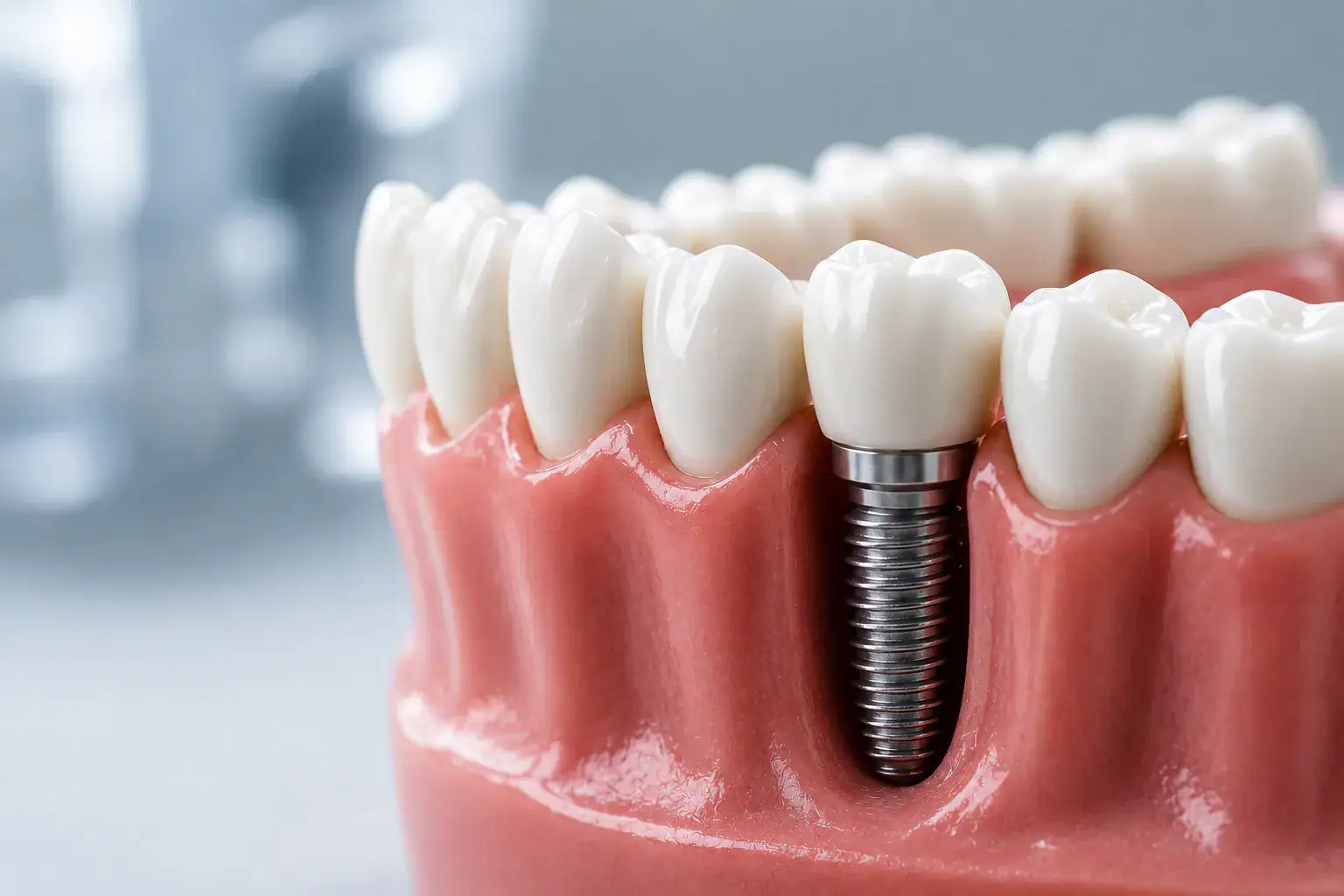
If a tooth is missing, implantation is performed to install an artificial root. The final stage is the fixation of a ceramic crown onto the implant, providing a full restoration of the lost tooth.
Implant-Supported Bridges
When several consecutive teeth are missing, it is possible to perform prosthetics on implants by installing a bridge structure.
Regarding bridges supported by natural teeth, we take a very measured approach. Such structures require the shaping of adjacent healthy teeth and complicate hygiene. In most cases, modern implantation followed by a crown is a more physiological and durable solution.
Is it true that ceramic crowns are the most aesthetic option?
Yes. Metal-free ceramics do not contain a metal frame, allowing light to pass through the material just as it does through natural enamel. This provides depth of color, natural translucency, and a harmonious appearance.
Ceramic crowns are in high demand for restoring front teeth in the “smile zone.” An experienced dental technician can recreate a translucent cutting edge and the micro-relief of the enamel, making the restoration look completely natural.
Additional advantages of ceramic crowns
- Longevity – The average lifespan is 15–20 years with proper care.
- Wear Resistance – The material does not wear down and maintains its anatomical shape.
- Color Stability – Ceramic does not yellow or darken over time.
- Hypoallergenic – High biocompatibility with no risk of allergic reactions.
- Minimal Thickness – We can fabricate structures as thin as 0.2 mm, preserving maximum tooth tissue.
- Monolithic Fixation – Adhesive cementation ensures a powerful bond between the crown and the tooth.
Patients adapt quickly to their new restorations and, over time, often cannot distinguish them from their own teeth.
Metal-free ceramic prosthetics: How does treatment begin?
The first stage is a comprehensive diagnosis. At Doctor Dent (Astana), we use a modern CT scanner and the 3D Dental system for precise analysis of CBCT images. This allows us to assess the condition of the teeth and bone tissue, identify hidden issues, and create a detailed treatment plan.
This is followed by a consultation with a restorative dentist. The optimal type of restoration is selected: all-ceramic crowns, zirconia structures, or alternative solutions (such as veneers, depending on indications).
If necessary, the following may be required before prosthetics:
- Dental implantation
- Bite correction (orthodontics)
- Therapeutic treatment for caries or pulpitis
All teeth must be fully treated before the prosthetic stage begins.
Tooth preparation for crowns: What is the process?
The dentist carefully shapes the tooth to the thickness of the future crown. In our clinic, this stage is as gentle as possible thanks to the use of magnification.
After preparation, digital or traditional impressions are taken. Temporary crowns are installed for the duration of the permanent structure’s fabrication—a patient never leaves with a “shaved” tooth visible.
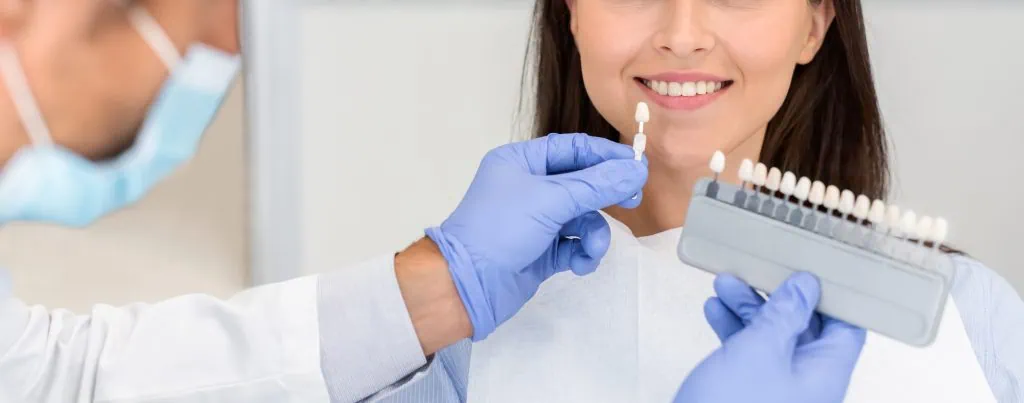
The shape of the future crown is modeled using specialized computer software, and the enamel shade is carefully matched. Once fabricated, a fitting is performed.
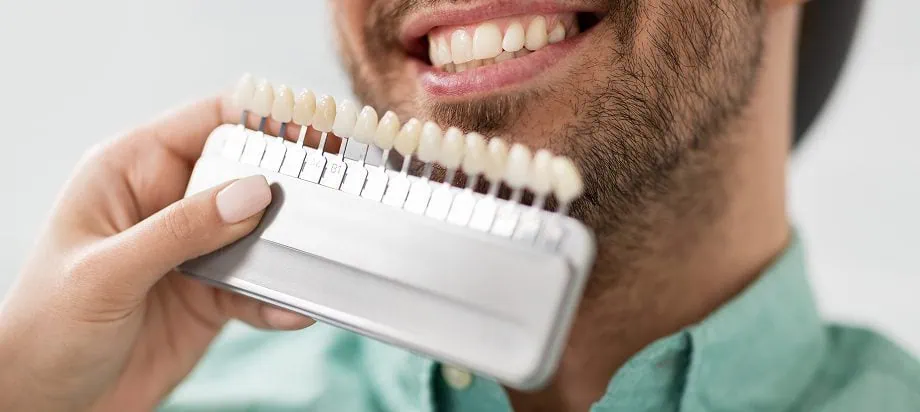
Why is the crown fitting so important?
During the fitting stage, key parameters are evaluated:
- Precision of the marginal fit
- Anatomical shape and tooth height
- Correctness of contact points
- Comfort of the chewing function
We monitor all details under magnification and use a photo protocol. If adjustments are needed, the crown is sent back to the lab for refinement. Our goal is to achieve a perfect result before final fixation.
Fixation of ceramic crowns — The final stage
Permanent fixation is performed using an adhesive protocol, with mandatory rubber dam isolation and under magnification control. This ensures a hermetic seal and the long-term success of the restoration.
Can cavities develop under a crown?
If the treatment protocol is followed, the risk is minimal. Decay only occurs if there is a gap between the tooth and the crown where bacteria can penetrate.
To avoid complications:
- Choose a clinic with modern diagnostics (3D CBCT).
- Ensure the doctor works under magnification.
- Review real testimonials and clinical cases.
With proper installation and adherence to the doctor’s recommendations, reinfection is virtually impossible.
Dental care after crown installation
Restored teeth require diligent hygiene. Use:
- Interdental brushes
- Oral irrigators (water flossers)
- An individually selected toothbrush and toothpaste
Regular professional dental cleanings at the clinic are mandatory—at least once every 6 months. This extends the lifespan of the ceramic crowns and maintains gum health.
How much does a ceramic crown cost in Astana?
The cost of a ceramic crown is higher than that of a porcelain-fused-to-metal (PFM) crown (on average by about 40%). However, you receive a superior level of aesthetics, durability, and maximum naturalness.
When you divide the price of the crown by its lifespan (15–20 years), it becomes clear that it is a wise investment in your health, comfort, and the beauty of your smile.
At the Doctor Dent clinic in Astana, we offer modern prosthetic solutions with personalized treatment planning and transparent cost calculations.
Blog
Expert Insights on Dental Health
Implantation is considered one of the most reliable ways to restore lost teeth. When planning…
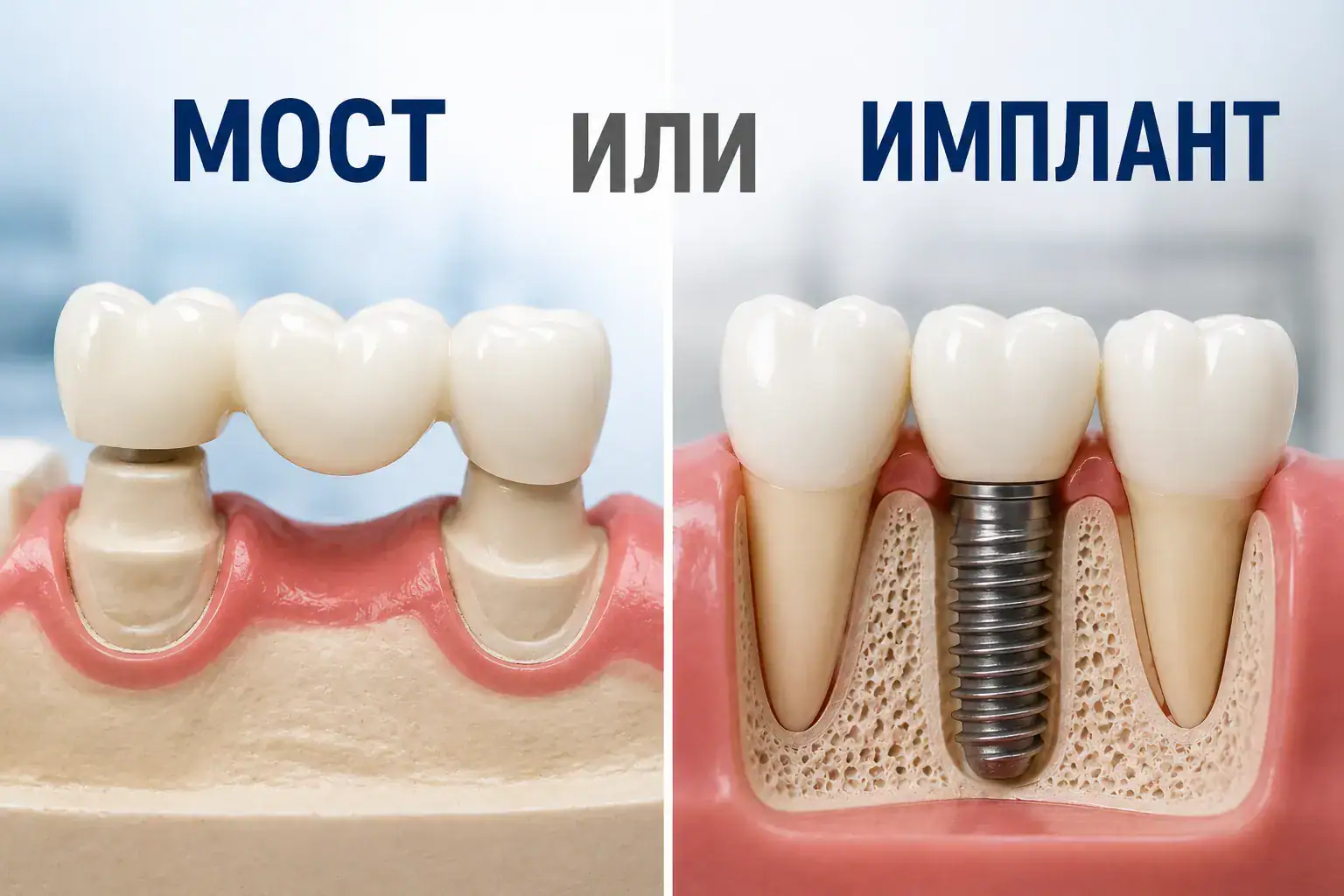
Which is better: a bridge or an implant?
Losing even a single tooth can lead not only to aesthetic discomfort but also to…

Dental Implants: Should You Be Afraid?
Dental implantation in Astana is the most sought-after procedure for restoring the integrity of the…
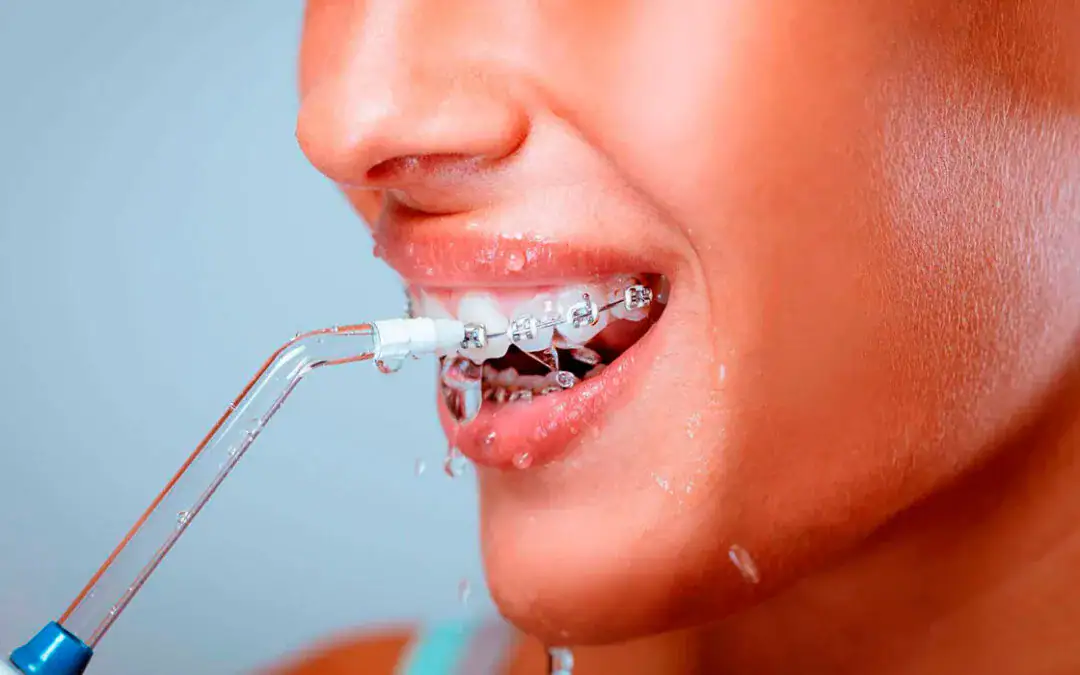
Caring for Braces After Installation
Braces help straighten the teeth, create a beautiful smile, and correct bite defects. These appliances…


