




Treatment for Halitosis (Bad Breath) in Astana
Bad breath (halitosis) is a common issue that, while not life-threatening, significantly impacts self-confidence and the quality of social interactions. Most often, it is caused by inadequate oral hygiene and the accumulation of bacterial plaque on the teeth and tongue. However, halitosis can also be linked to more serious dental conditions — ranging from caries to periodontitis.
At the Doctor Dent dental clinic in Astana, we diagnose the causes of bad breath and select effective treatments. In most cases, the first and most crucial step is professional oral hygiene according to the Swiss GBT protocol using the 3D Dental device. Patients often notice a significant improvement in the freshness of their breath immediately following the procedure.

Halitosis Treatment: Why Choose Doctor Dent?
- Swiss GBT Protocol: One of the most effective methods for removing bacterial biofilm.
- Modern Equipment: We utilize 3D Dental technology and safe materials that do not damage the enamel.
- All-Inclusive Pricing: The cost of professional cleaning covers everything: Air-Flow technology, ultrasonic tartar removal, fluoridation, personalized selection of hygiene products, and brushing technique education. No hidden fees.
Main Causes of Halitosis
Inadequate Oral Hygiene
If teeth are brushed less than twice a day or if supplemental tools (interdental brushes, floss) are neglected, food particles begin to decompose. This leads to the rapid multiplication of bacteria on the teeth and tongue, resulting in an unpleasant odor.
Dry Mouth
Saliva performs a protective function and naturally cleanses the oral cavity. When its production decreases, it creates a favorable environment for the growth of pathogenic microorganisms.
Poor-Quality Fillings
If a filling has a compromised marginal seal, food particles and bacteria accumulate in micro-cracks, releasing sulfur compounds — the source of the unpleasant smell.
Hidden Interproximal Caries
Caries between the teeth can remain unnoticed for a long time while acting as a primary cause of halitosis.
Periodontitis
Gum inflammation leads to the formation of periodontal pockets where bacteria accumulate and a chronic inflammatory process develops. These are the most frequent dental causes of bad breath.


Other Possible Causes
- Alcohol consumption
- Certain medications
- Unbalanced diet
- Gastroesophageal reflux disease (GERD)
Rarer causes include:
- Bowel obstruction
- Liver failure
Does Smoking Cause Bad Breath?
Yes. Smoking and long-term tobacco use cause mucosal dryness and gum disease. Halitosis is very common among smokers, many of whom do not notice the problem themselves. Even occasional smoking can contribute to the appearance of an unpleasant odor.
Vaping and Halitosis
Electronic cigarettes, like traditional ones, contribute to dry mouth and the formation of a film on the teeth that bacteria easily adhere to. This creates the conditions for developing halitosis. If you are not yet able to quit smoking, it is recommended to undergo professional dental hygiene at least twice a year.
Can Braces Cause Halitosis?
Brace systems themselves are not the cause of bad breath. Halitosis appears only when hygiene is insufficient. With proper care, including the use of an irrigator, interdental brushes, and regular professional cleanings, the risk of odor is minimal.
How Does Diet Affect Breath Freshness?
Certain products with strong aromas directly impact breath:
- Onions and garlic;
- Pungent spices (e.g., curry);
- Aged cheeses;
- Fish;
- Coffee.
Additionally, dietary supplements like fish oil capsules can intensify unpleasant odors. Low-carb diets can cause so-called “keto breath” — a fruity aroma with a hint of acetone, linked to the body’s fat-burning processes.
Symptoms of Halitosis: How to Know if There’s a Problem?
Sometimes a person may not notice the unpleasant smell themselves. Possible signs include:
- White coating on the tongue;
- Gastroesophageal reflux;
- Persistent dry mouth;
- Sleeping with the mouth open;
- Skipping dental visits for more than 6 months;
- Irregular brushing and lack of supplemental hygiene.
If in doubt, you can ask someone close to you — an objective opinion can help clarify the situation.
How We Treat Halitosis at Doctor Dent (Astana)
Our main principle is eliminating the cause. В In most cases, professional oral hygiene according to the GBT protocol using the 3D Dental system is sufficient. Regular dental visits twice a year allow for the timely detection of caries, verification of filling integrity, diagnosis of gum inflammation, and necessary treatment. If the halitosis is linked to non-dental causes, the patient is referred to the appropriate specialist for consultation.

What to Do at Home?
To prevent bad breath, it is important to:
- Brush your teeth twice a day with high-quality toothpaste.
- Change your toothbrush every 3 months and use soft bristles.
- Use an antibacterial mouthwash.
- Use interdental brushes or floss daily.
- Regularly clean dentures.
- Clean your tongue with a special scraper.
- Limit pungent foods and add fiber to your diet.
- Drink plenty of clean water.
Comprehensive home care significantly reduces the risk of developing halitosis.
Does Chewing Gum Help?
Chewing gum does not eliminate the cause of bad breath if there is caries, gum inflammation, or bacterial plaque. В In such cases, treatment by a dentist is necessary. However, after meals, sugar-free gum can temporarily freshen the breath. It is best to choose options with xylitol — they do not cause caries and stimulate the production of saliva, which naturally protects the teeth from acid attacks.
Book an Appointment for Halitosis Treatment in Astana
If you are concerned about bad breath, book a consultation and professional hygiene at Doctor Dent in Astana. We will identify the cause of the halitosis, perform a comprehensive dental cleaning, strengthen your enamel, and provide personalized care recommendations. Fresh breath, healthy gums, and self-confidence begin with professional oral care.
Blog
Expert Insights on Dental Health
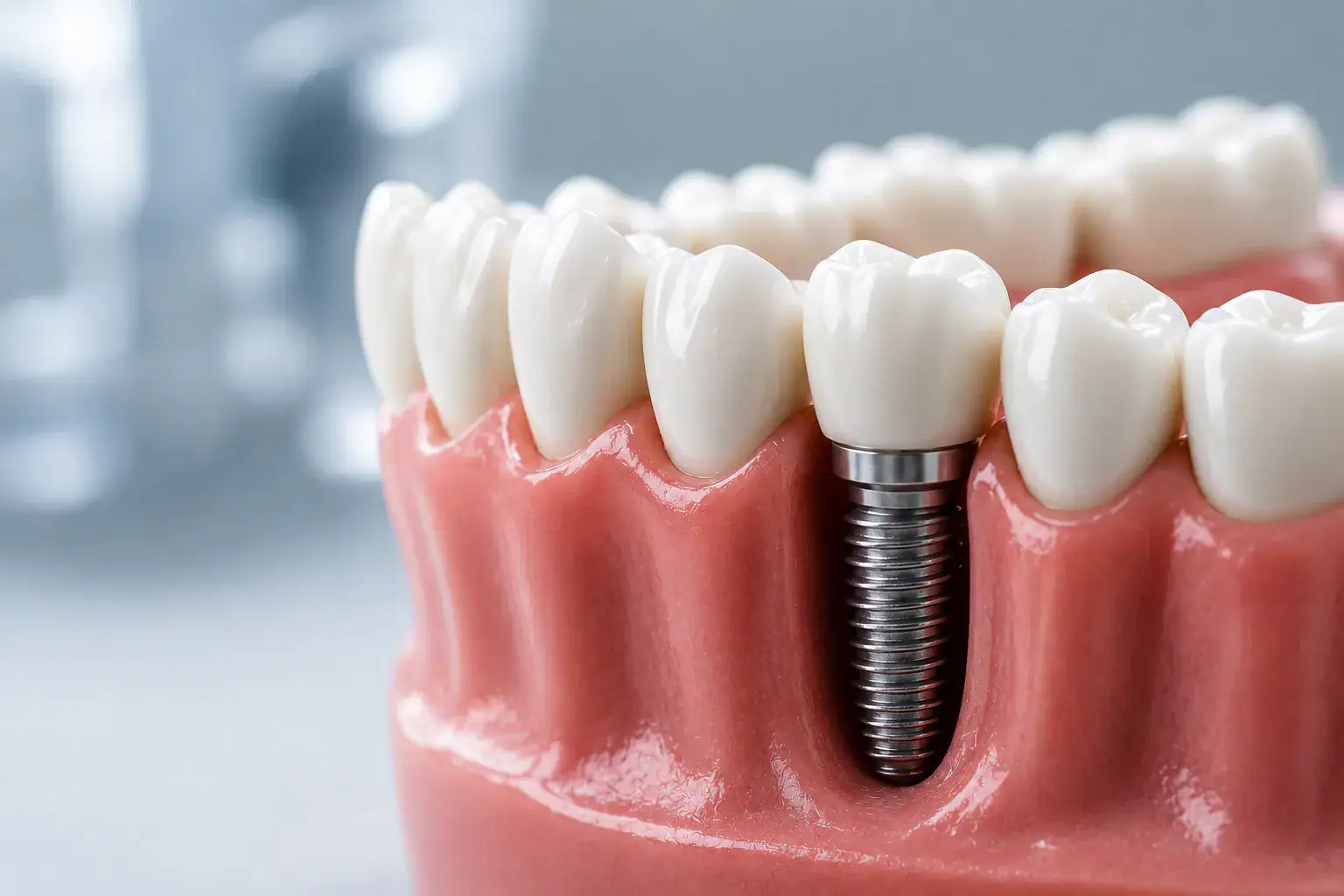
Implantation is considered one of the most reliable ways to restore lost teeth. When planning…
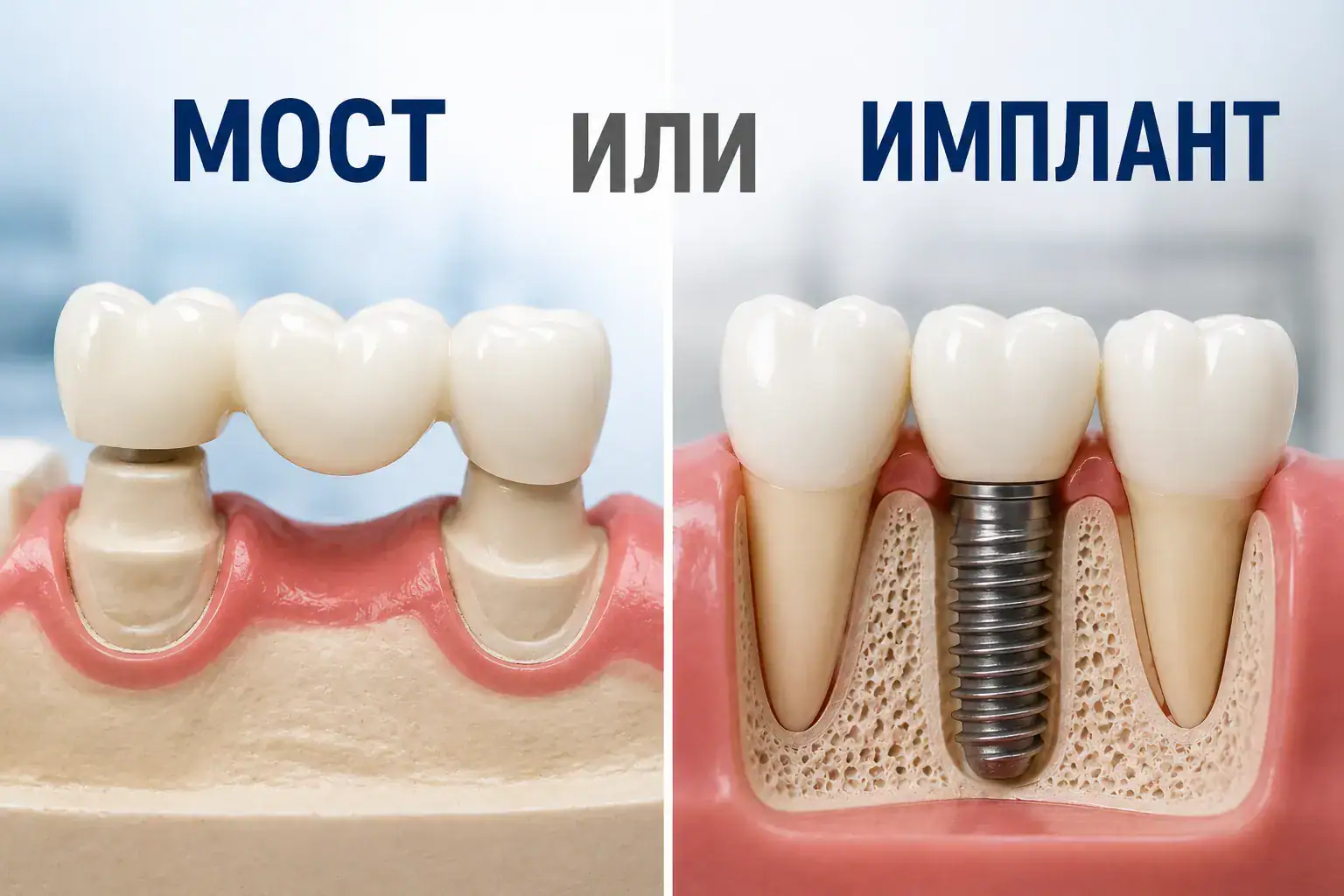
Which is better: a bridge or an implant?
Losing even a single tooth can lead not only to aesthetic discomfort but also to…

Dental Implants: Should You Be Afraid?
Dental implantation in Astana is the most sought-after procedure for restoring the integrity of the…
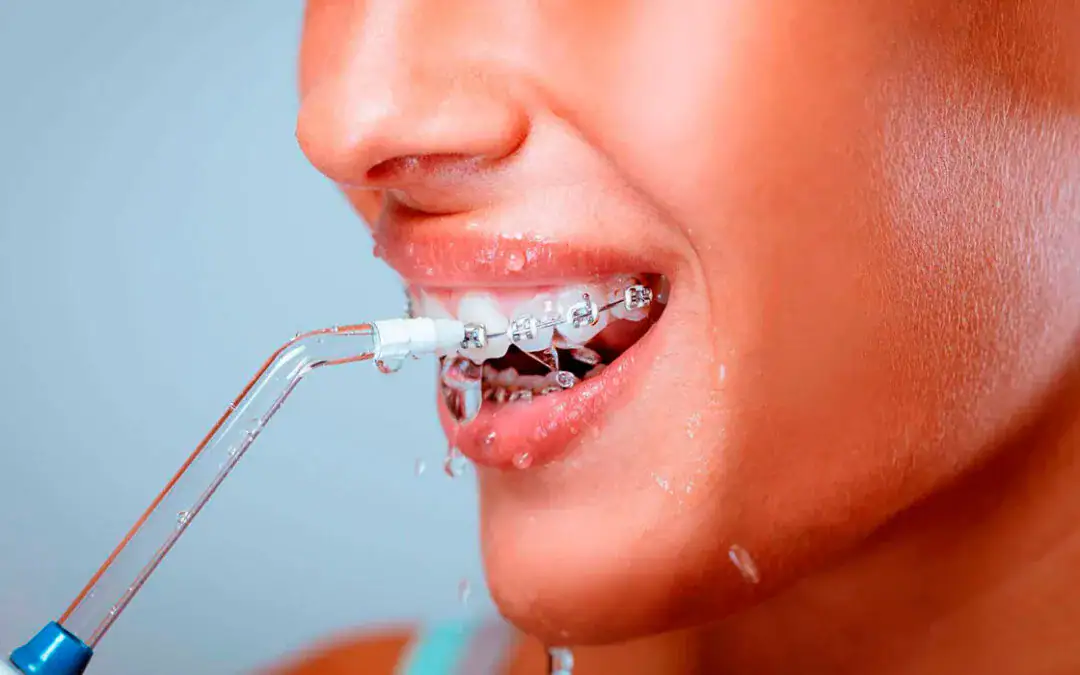
Caring for Braces After Installation
Braces help straighten the teeth, create a beautiful smile, and correct bite defects. These appliances…


