


CBCT of the Dentofacial System at Doctor Dent
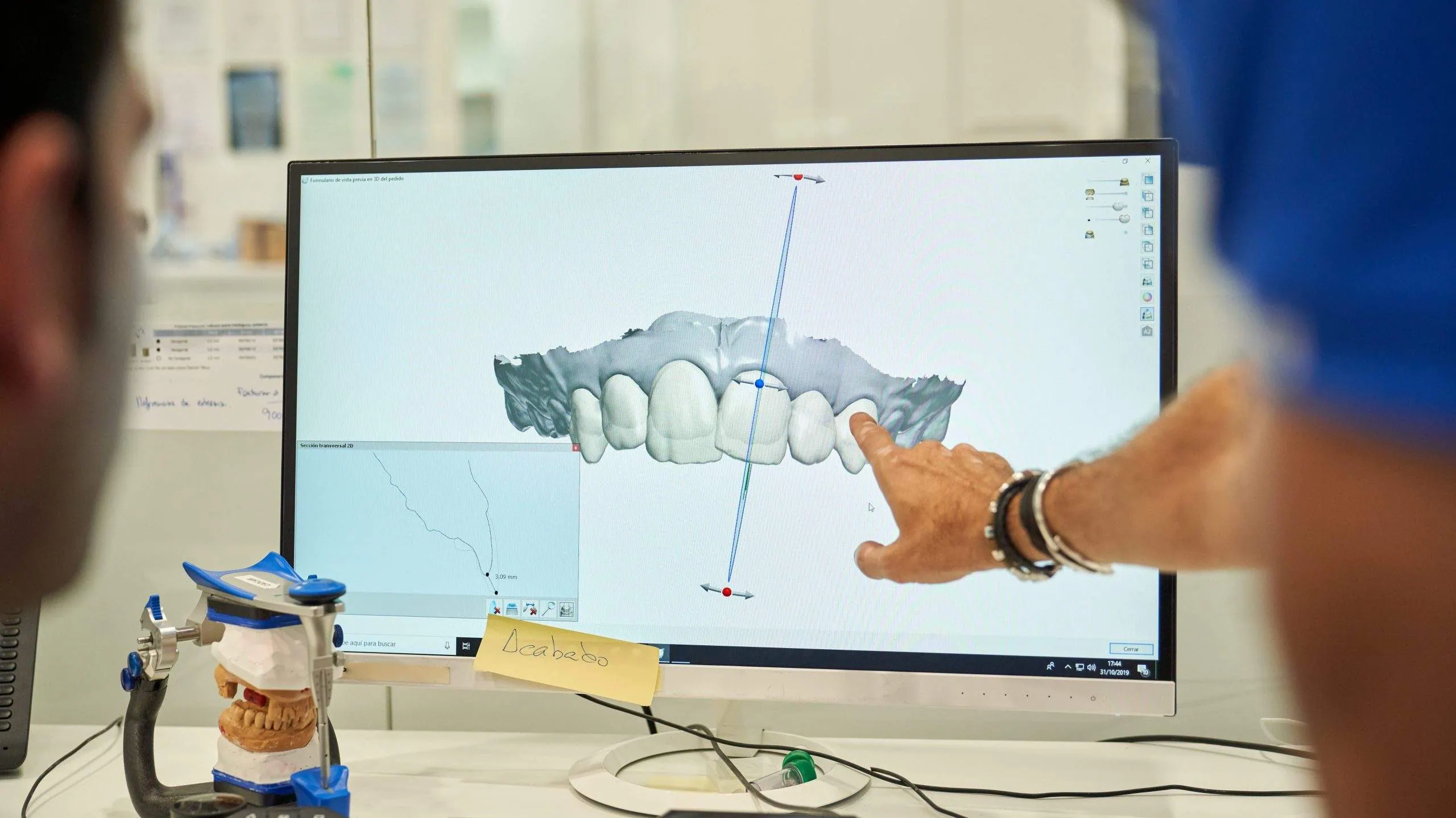
Cone-beam computed tomography helps obtain a comprehensive 3D model of the teeth and jaws and examine it in different projections. At Doctor Dent in Astana, it is used to clarify diagnoses, prepare for complex procedures, and create a step-by-step dental care plan.
Thanks to this method, deep structures are visualized: bone, roots, root canals, unerupted units, and other important landmarks. Unlike a standard X-ray, this technique allows the area of interest to be examined layer by layer and evaluates the relative position of structures.
The examination may be required prior to:
- implantation and bone grafting;
- surgical procedures;
- orthodontic correction;
- installation of crowns, inlays, and veneers;
- dentition restoration.
At Doctor Dent, the resulting images are additionally processed using the 3D Dental program. The algorithm marks areas requiring doctor attention; however, the final conclusion is always made by the dentist based on visual examination, complaints, and medical history.
Why the Clinic Uses 3D Examinations
A visual examination does not allow observing processes occurring inside bone tissue or roots. CBCT expands the understanding of the clinical situation and helps assess potential difficulties in advance.
A 3D model allows doctors to:
- examine the shape and number of root canals;
- detect foci of inflammation;
- check the quality of previously performed procedures;
- evaluate the height and width of the bone structure;
- determine the position of impacted teeth;
- observe the proximity of nerves and sinuses;
- prepare for surgery;
- identify features of the bite and structural anatomy.
Our specialists select the diagnostic method individually. Sometimes a local X-ray or OPG is sufficient, but for complex anatomy and surgical planning, a 3D scan is required.
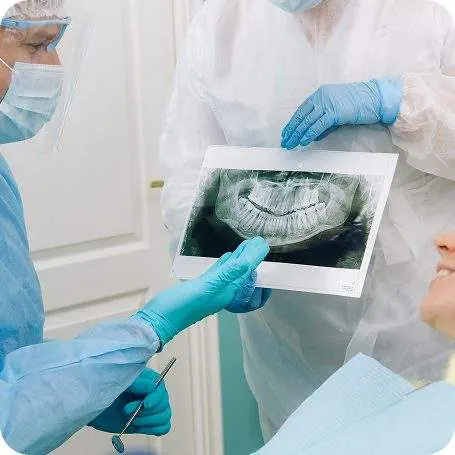

CBCT Equipment
The procedure is performed on a cone-beam computed tomograph designed specifically for dental tasks. The device forms a series of projections, after which the software combines them into a 3D model.
Advantages of this approach:
- high level of detail;
- short scanning time;
- ability to study the object in multiple planes;
- no overlapping of anatomical structures;
- storage of materials in electronic format;
- convenient transfer of files to other specialists.
Parameters are selected depending on the purpose of the examination and the required field of view. This prevents using a larger scanning volume than necessary for a specific clinical task.
Additional Verification with 3D Dental
After completion, the file can be processed by the 3D Dental artificial intelligence system. The program recognizes anatomical landmarks and highlights potential abnormalities.
The algorithm can draw attention to:
- carious lesions;
- inflammatory changes around roots;
- condition of the canals;
- loss of bone tissue volume;
- specific features of the dentofacial system;
- areas requiring additional evaluation.
Automated marking does not constitute an independent diagnosis. It acts as a second level of verification and helps the dentist systematically review the entire available area. In ambiguous cases, the materials can be forwarded to a specialized radiologist.
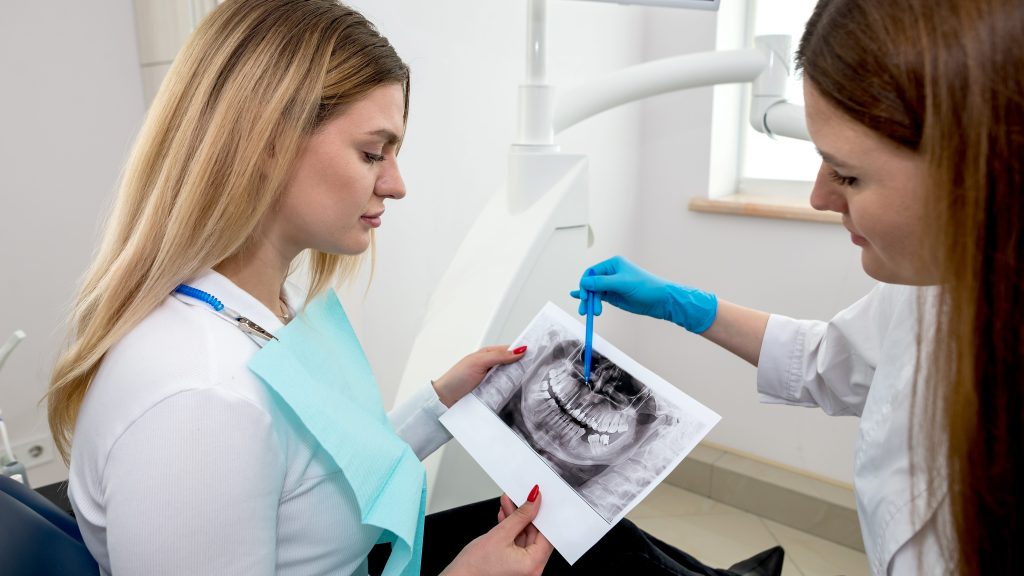
Procedure Safety
Cone-beam technology provides controlled radiation exposure. The examination is prescribed only when indicated, and the device’s operating mode is chosen based on age, the size of the scanned area, and the clinical task.
Before scanning, protective equipment required by protocol is applied. Unnecessary repeat scans are not recommended, so it is important to inform the specialist of previously performed radiological procedures and provide available files.
For children, tomography is prescribed only when clinically indicated. During pregnancy, the decision is made individually by evaluating urgency, expected benefits, and the possibility of postponement.
When CBCT May Be Required
3D imaging is used across various fields of dentistry:
- Endodontics: helps examine complex canal anatomy, locate additional branches, evaluate the root apex area, and verify previous treatment.
- Surgery: the 3D model determines the position of unerupted teeth, proximity of nerve canals, condition of surrounding bone, and other features prior to surgery.
- Implantology: before implant placement, it is crucial to evaluate bone tissue height and width, location of nerves and maxillary sinuses, presence of inflammatory foci, and plan the direction of future support. Based on this information, the surgeon selects implant parameters and plans placement.
- Orthodontics: tomography can be used to assess the position of impacted units, root conditions, jaw structure, and potential obstacles to tooth movement.
Contraindications
There are few absolute contraindications to the scanning process itself; however, the patient must remain still for a few seconds. Severe tremor, inability to maintain the required position, or other factors can make acquiring a clear image difficult.
Pregnancy requires a separate evaluation. In non-urgent cases, radiological checks are usually postponed, while in emergencies, the decision rests with the attending specialist.
How CBCT Is Performed
No advance preparation is required. Before scanning, patients are asked to remove glasses, removable dentures, jewelry, and other metal objects from the head and neck area.
The process then proceeds in steps:
- A staff member helps the patient assume the correct position in front of the scanner.
- The head is fixed to prevent movement.
- The machine completes a short rotation around the target area.
- The program generates a 3D model.
- The doctor examines the results and correlates them with the clinical picture.
The scan causes no pain. The patient’s main task is to remain still and follow staff instructions.
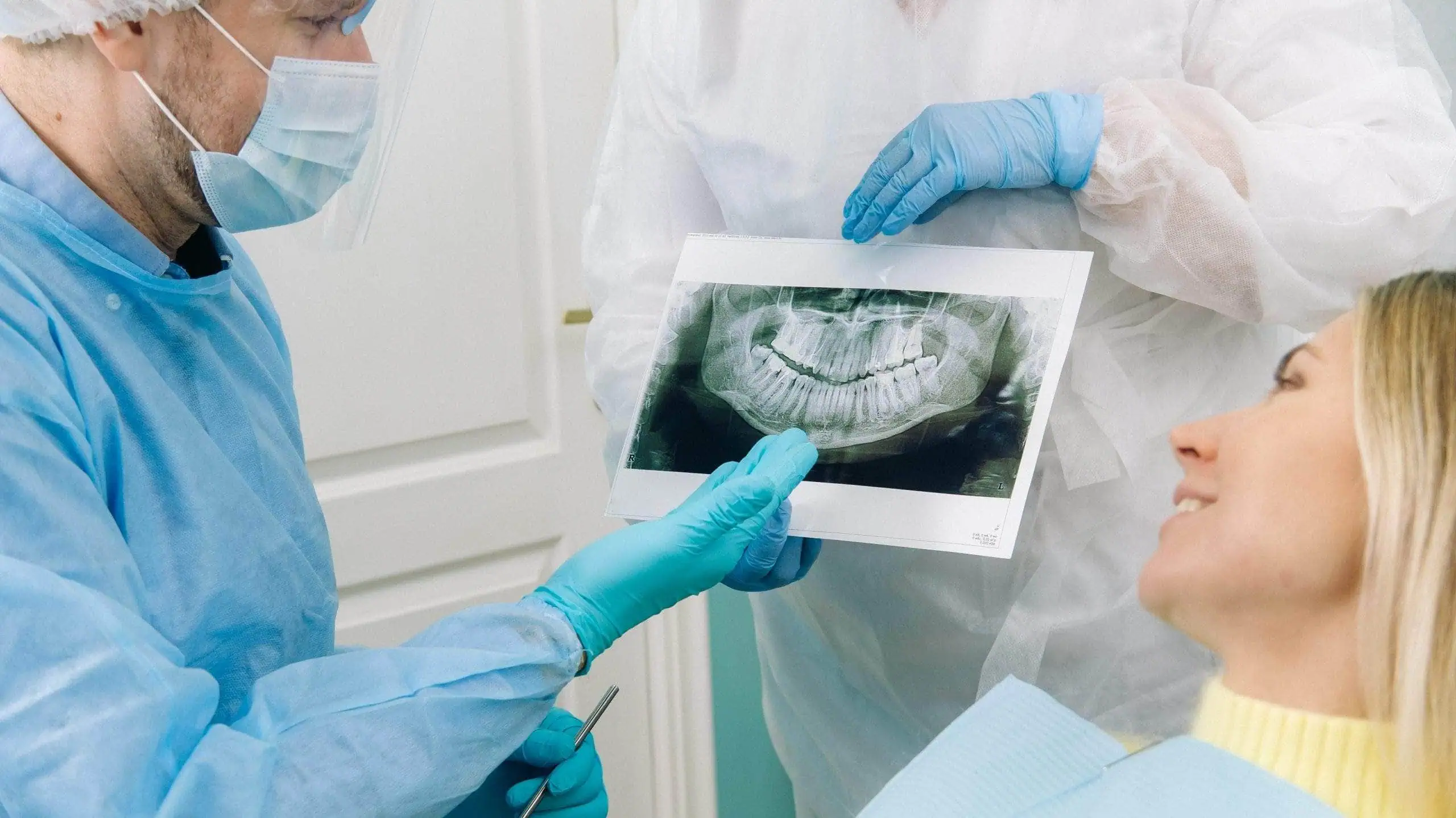
What the Patient Receives
After the examination, a digital file is generated that can be reviewed in various projections. Depending on the selected service, the patient may receive:
- 3D visualization;
- recording on digital media;
- file delivery via email;
- explanations from the attending dentist;
- a radiologist report if separately requested;
- markup generated by 3D Dental.
Materials are saved to the medical record and can be used for dynamic monitoring or consultations with other specialists.
CBCT Before Implantation
Preparation for implantation requires a precise understanding of the anatomy of the target area. Using the 3D model, the surgeon evaluates bone tissue volume, the position of nerve structures, and the distance to the sinuses.
This helps determine:
- whether the site is suitable for implant placement;
- if bone grafting is required;
- the preferred size and orientation of the implant;
- whether additional surgical risks exist;
- if a surgical navigation guide can be used.
At our clinic, decisions are made after a comprehensive evaluation rather than based on a single image alone. The dentist considers oral health, bite, general health, and future prosthodontic goals.
Cost of Computed Tomography in Astana
The price depends on the scope of the area being examined: a specific region, one jaw, or both jaws. Current rates are available in the Doctor Dent price list. Before starting diagnostics, the receptionist can clarify what is included in the service and whether an additional radiologist report is needed.
Where to Get Dental and Jaw CBCT
At our clinic in Astana, this examination is available to both clinic patients and individuals referred from other dental organizations. To book an appointment, contact our receptionists or submit a request via the website.
CBCT does not replace a physical examination or professional conclusion. Its purpose is to provide the dentist with a 3D image necessary for making a well-founded decision regarding further tactics. Combining cone-beam technology, software processing, and medical expertise makes treatment planning more consistent and controlled.
Blog
Expert Insights on Dental Health
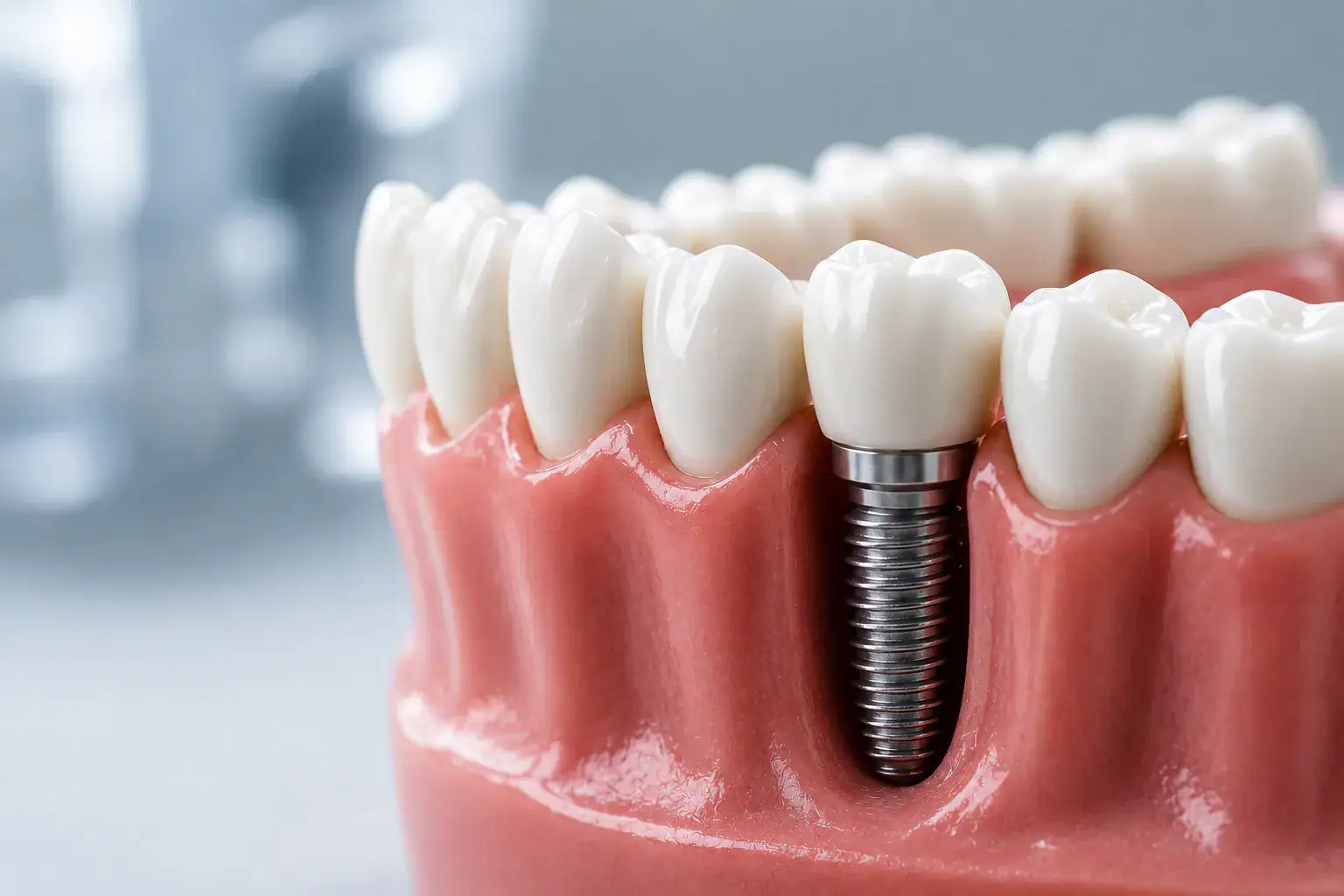
Implantation is considered one of the most reliable ways to restore lost teeth. When planning…
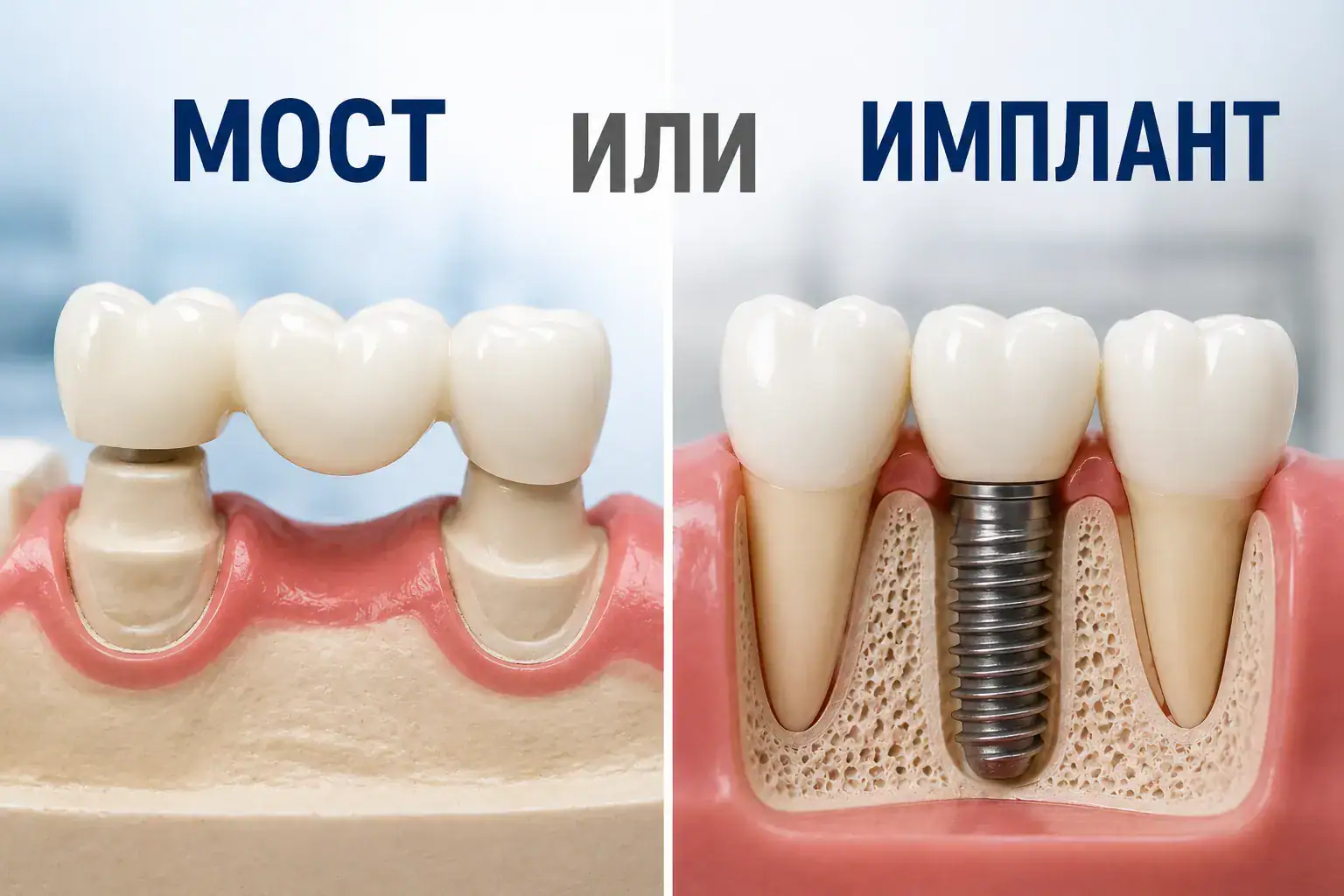
Which is better: a bridge or an implant?
Losing even a single tooth can lead not only to aesthetic discomfort but also to…

Dental Implants: Should You Be Afraid?
Dental implantation in Astana is the most sought-after procedure for restoring the integrity of the…
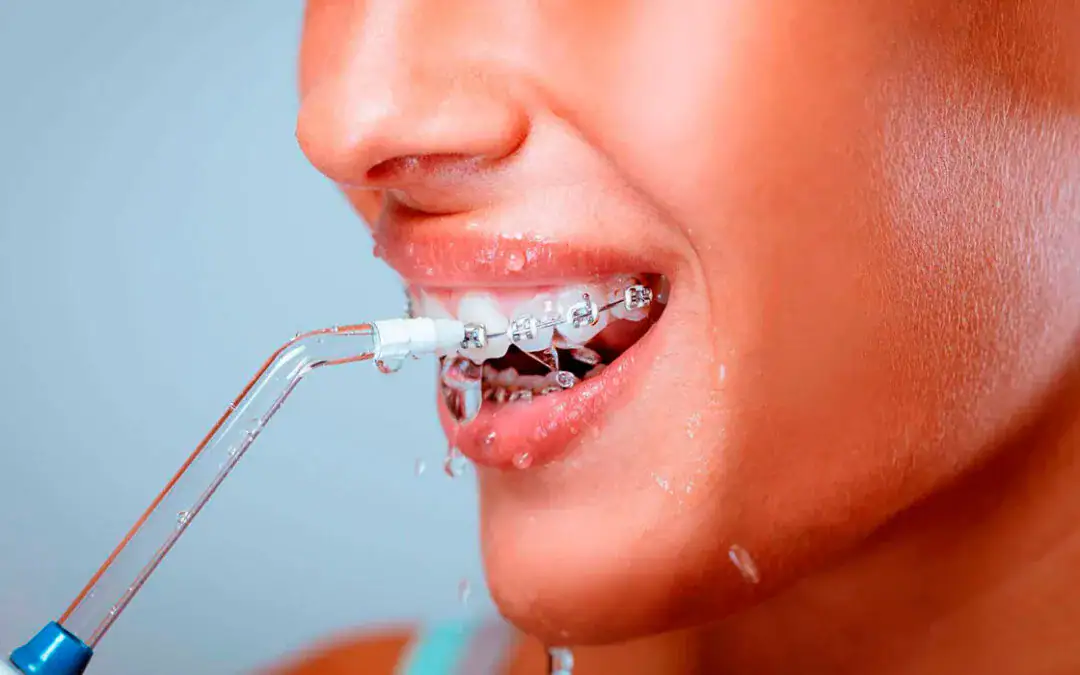
Caring for Braces After Installation
Braces help straighten the teeth, create a beautiful smile, and correct bite defects. These appliances…


