


3D Dental Artificial Intelligence at Doctor Dent Dental Clinic
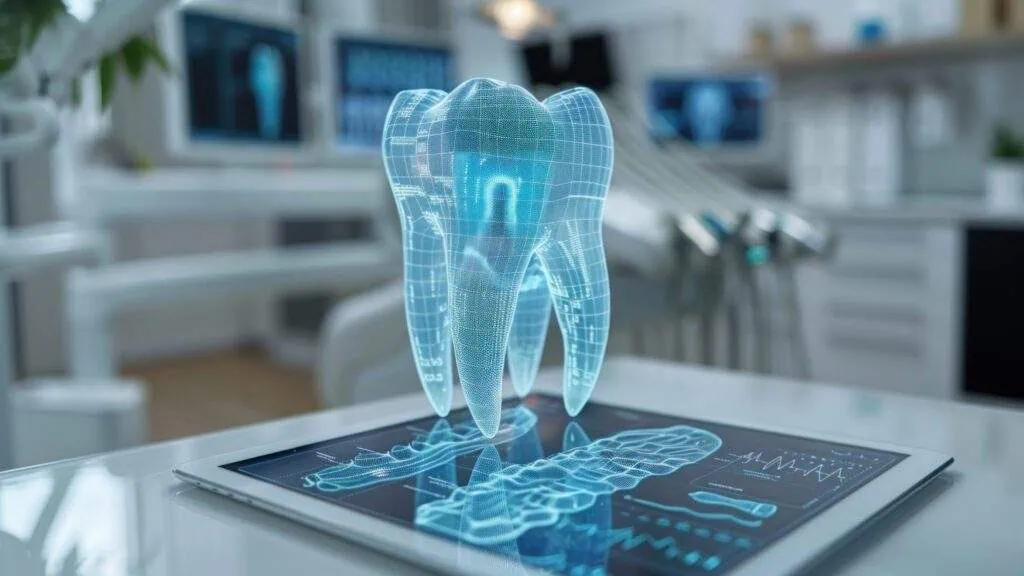
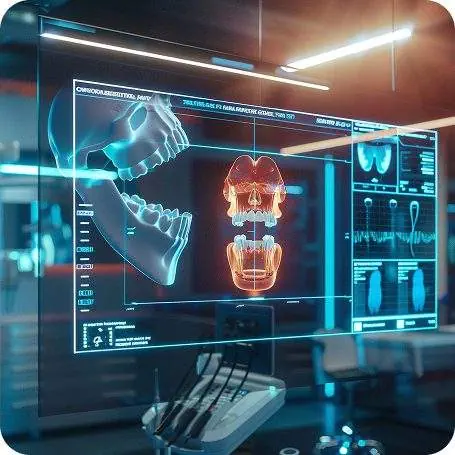
At the Doctor Dent clinic in Astana, radiological materials are processed using 3D Dental. The technology utilizes computer vision algorithms to identify areas that require special attention from the dentist. After CBCT, panoramic, or local radiography, the file is uploaded into the program, which recognizes anatomical structures and highlights potential abnormalities.
Within a few minutes, a clear visual diagram with comments on specific zones is generated. The specialist correlates it with the patient’s complaints, examination, and clinical picture. This approach does not replace a professional conclusion, but it expands the scope of verification and reduces the likelihood that a subtle sign will go unnoticed.
Using 3D Dental helps to:
- additionally check hard-to-reach areas;
- systematize the radiological picture;
- reduce the impact of subjective assessment;
- justify further treatment strategy;
- explain the detected features to the patient more clearly.
Processing of images and data using artificial intelligence is included in the cost of tomography.
Why Doctor Dent Uses 3D Dental
The program acts as an assistant tool for the dentist. It consistently scans the visualization, highlights suspicious areas, and prepares a structured description. The patient receives not a promise of complete infallibility, but a double check: automated and medical.
Advantages of this approach:
- independent software assessment;
- rapid recognition of anatomical structures;
- visual designation of areas requiring attention;
- convenient discussion of oral health status;
- more transparent planning of subsequent stages;
- reduced risk of missing subtle abnormalities.
Final conclusions are always made by the attending specialist. In complex or ambiguous cases, the materials can be referred to a radiologist.
Questions About 3D Dental Operation
Which types of radiography are suitable for processing?
The algorithm works with several visualization formats:
- CBCT;
- orthopantomogram;
- local intraoral images.
Tomography offers the widest possibilities, as it displays the maxillofacial region in three dimensions. In our clinic, tomographic materials undergo automatic verification, after which they are analyzed during consultation.
Why does a dentist need the system?
3D Dental is particularly useful before complex interventions and during long-term therapy. It is used:
- during primary examination;
- before and after root canal treatment;
- during preparation for implantation;
- during comprehensive dentition restoration;
- for monitoring specific areas over time.
Automated marking helps assemble scattered signs into a single picture and determine the sequence of further actions.
What is the program capable of recognizing?
The system marks anatomical landmarks and draws attention to areas that may correspond to carious lesions, inflammation at the roots, periodontal disorders, or bone loss. It also helps assess individual units of the dentition and surrounding structures. Any mark made by the algorithm is considered a reason for additional verification, not a final diagnosis. The dentist confirms or excludes the detected sign after correlating it with the examination and symptoms.
Who makes the final decision?
No program can replace a doctor. The algorithm processes every file equally and does not get tired, but it does not see the person, does not perform a physical examination, and does not take into account all features of the medical history. Therefore, the clinical decision remains with the specialist. In complex cases, a radiologist is involved to provide a separate report. This approach is important for rare anatomy, ambiguous visualization, or preparation for extensive intervention.
How is the check with 3D Dental performed?
The process consists of several steps:
- The dentist determines the appropriate visualization method.
- The prescribed procedure is performed at the clinic.
- The resulting file is transmitted to the system.
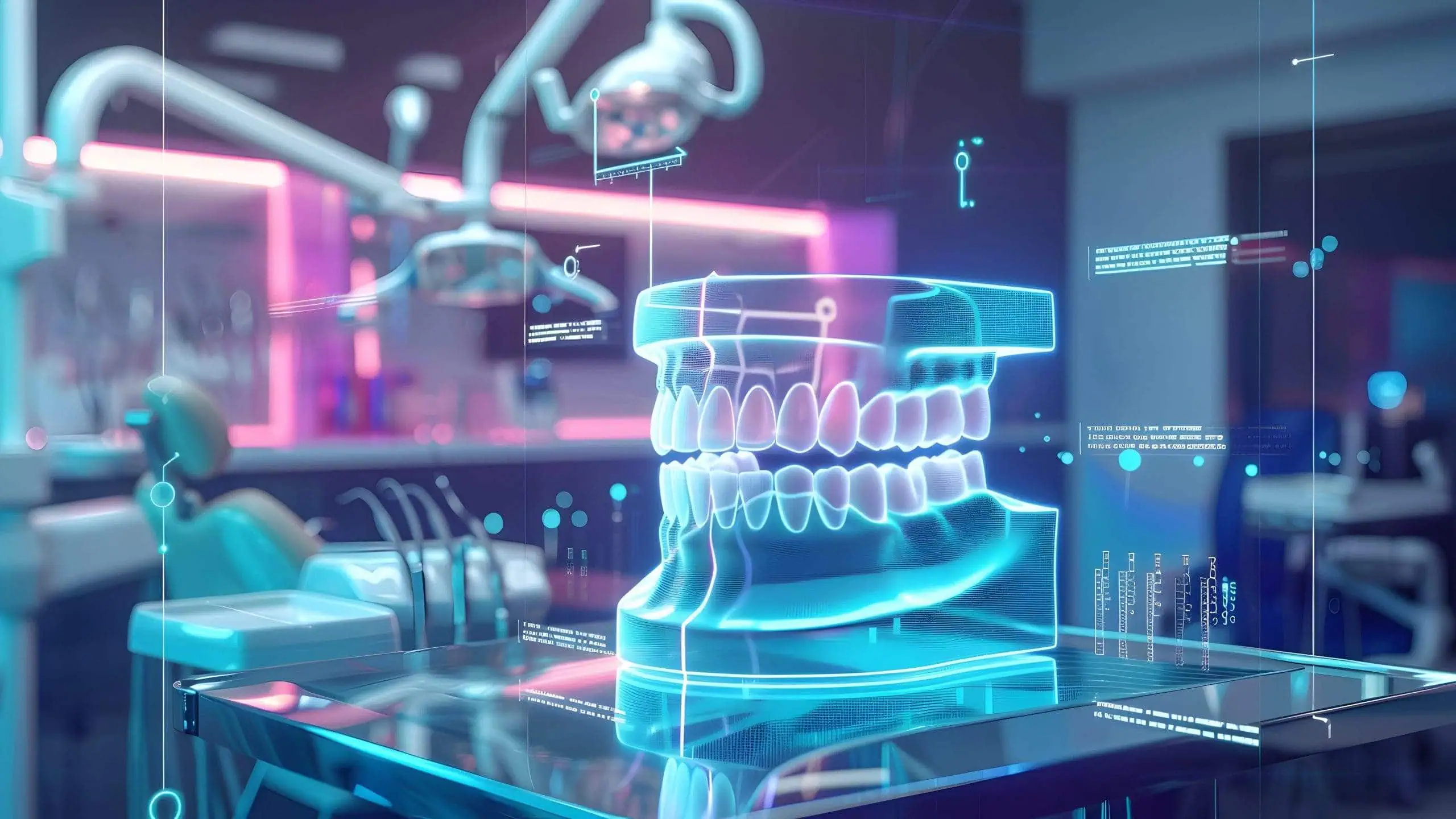
- The algorithm marks anatomical landmarks and suspicious areas.
- The doctor checks the automated marking and correlates it with the condition.
- The detected features are explained to the person who underwent diagnostics, and a further plan is proposed.
For the patient, this stage requires no additional actions and does not increase radiation exposure: the system analyzes an already completed image.
What does screening for hidden changes mean?
Screening is a step-by-step check of the entire available area, not just the site the patient complains about. The program can draw attention to subtle signs that do not cause pain or other symptoms. However, an automated mark does not equal a confirmed disease. The dentist assesses its significance and, if necessary, prescribes an additional examination, tests, or a consultation with a specialist.
What are the algorithms based on?
3D Dental utilizes machine learning and computer vision. Such systems are trained on a large number of annotated dental images, where specialists have previously marked normal structures and pathological signs. Thanks to this, the program recognizes familiar visual combinations and highlights them for further medical evaluation.
What does the patient get?
After processing and consultation, the following are available to the patient:
- clear visualization of the oral cavity;
- designation of areas requiring attention;
- explanations regarding individual units of the dentition;
- discussion of possible options for dental care;
- an personalized sequence of further actions.
At Doctor Dent in Astana, 3D Dental is used as an additional level of control. The combination of digital visualization, automated marking, and dental expertise helps make the examination more understandable, consistent, and well-founded.
Blog
Expert Insights on Dental Health
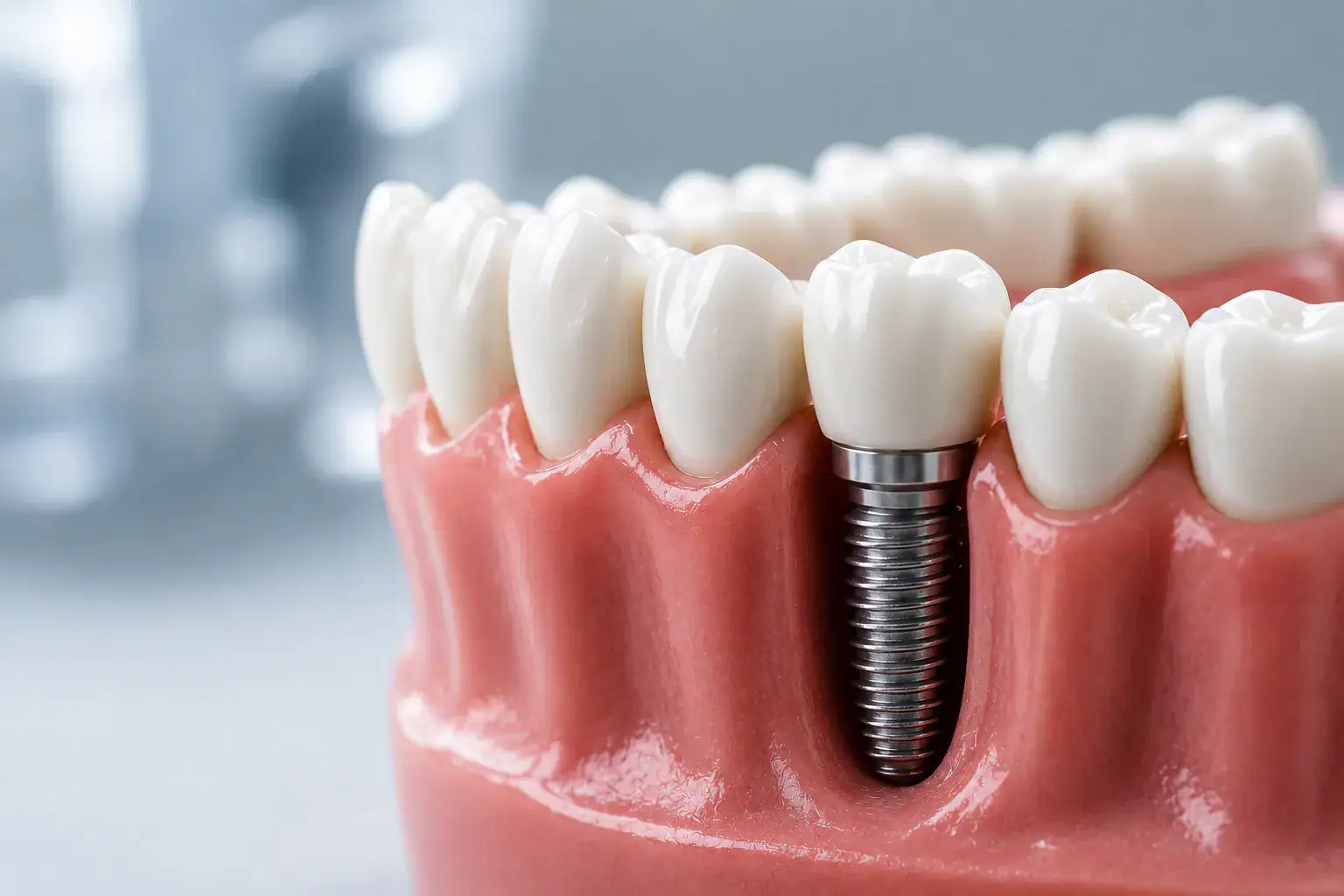
Implantation is considered one of the most reliable ways to restore lost teeth. When planning…
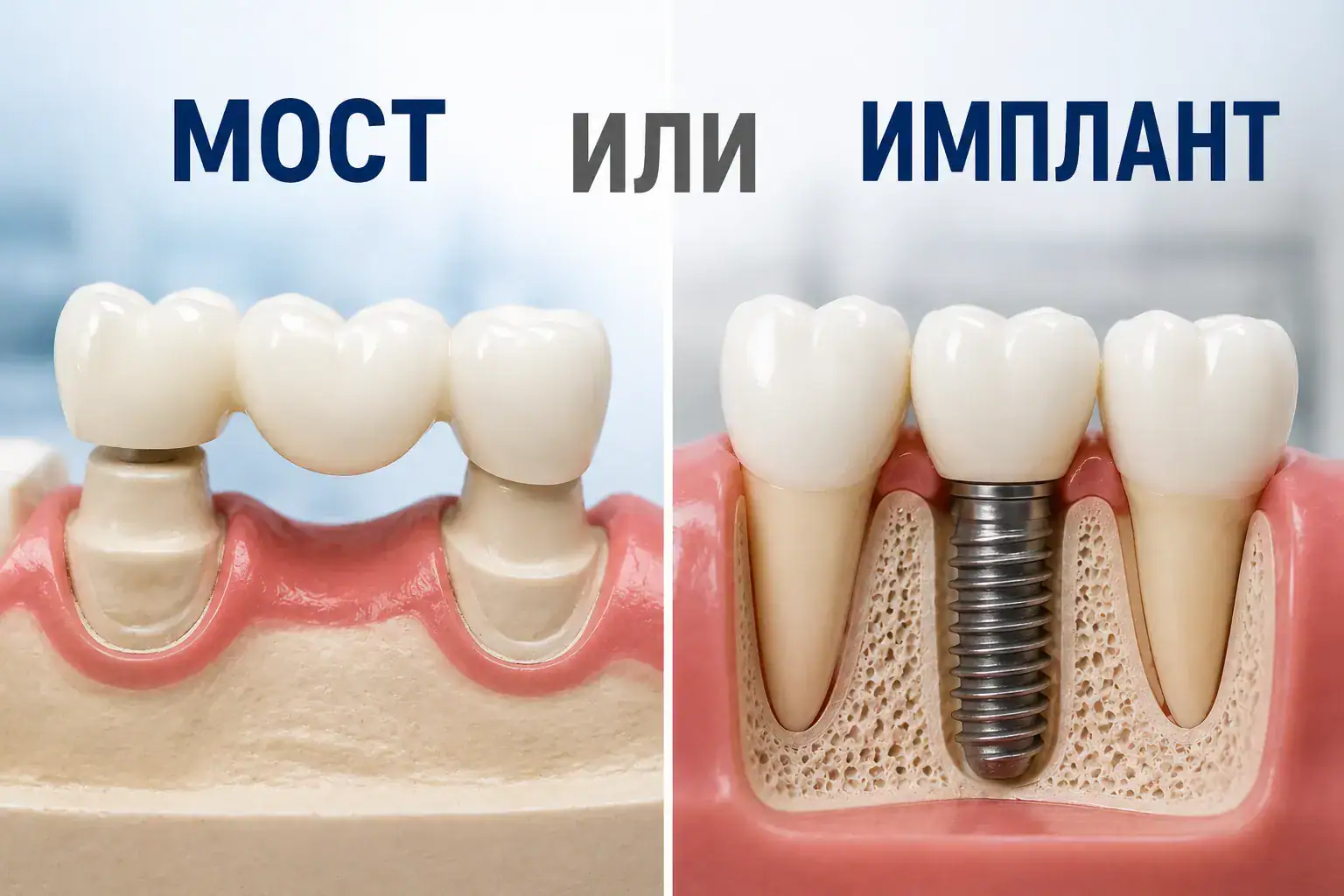
Which is better: a bridge or an implant?
Losing even a single tooth can lead not only to aesthetic discomfort but also to…
Dental Implants: Should You Be Afraid?
Dental implantation in Astana is the most sought-after procedure for restoring the integrity of the…
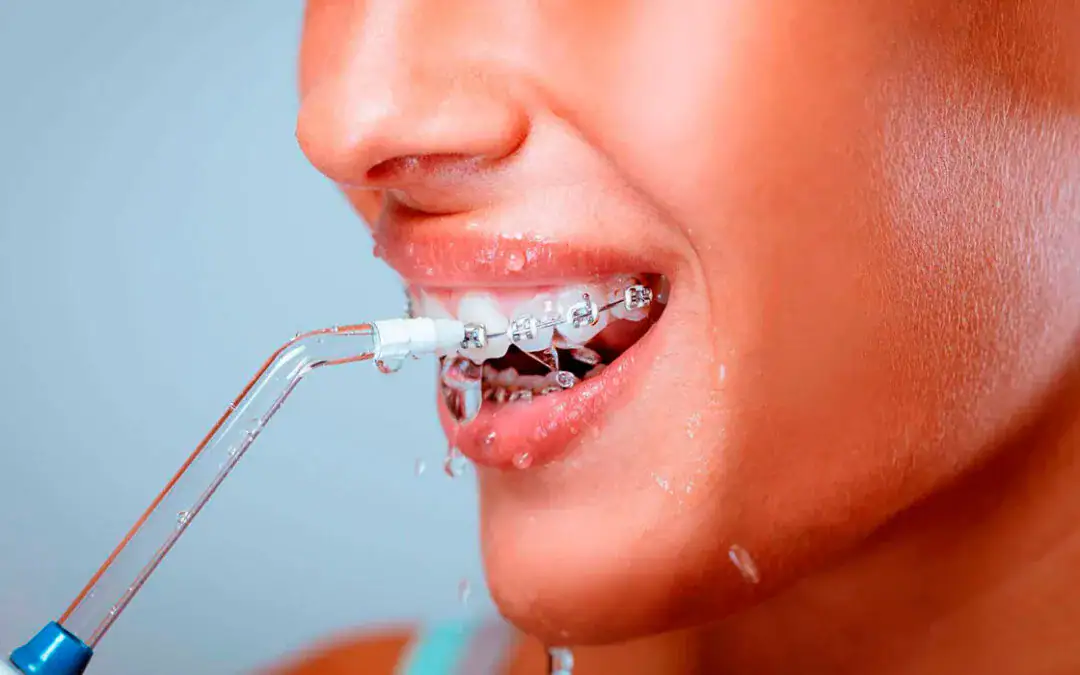
Caring for Braces After Installation
Braces help straighten the teeth, create a beautiful smile, and correct bite defects. These appliances…


