




Condylography
If you experience pain or discomfort in the temporomandibular joint (TMJ), computer condylography can help determine the exact cause. This is a modern diagnostic procedure that records the speed, trajectory, and nature of the lower jaw’s movements, allowing a gnathologist to make an accurate diagnosis and select effective treatment.
Why Condylography is Performed Specifically at Doctor Dent
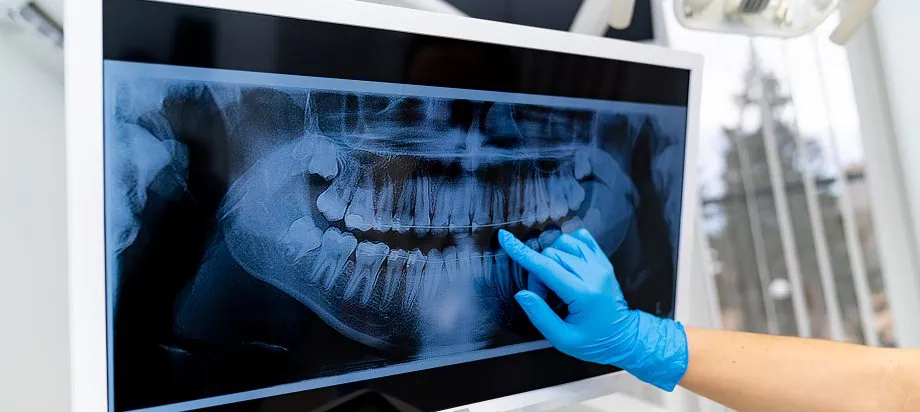
Our gnathologists have at their disposal the Gamma CADIAX® 4 digital condylograph (Austria), which precisely records all TMJ movements.
The clinic also features:
- digital scanners
- computed tomographs (CT)
- articulators
Our gnathologists use only evidence-based diagnostic and treatment methods. No outdated or questionable approaches.
What is Condylography?
Condylography is a detailed study of the temporomandibular joint’s function.
The sensors of the digital condylograph record the movements of the lower jaw in real time. The software processes the data and generates graphs showing the individual characteristics of the TMJ’s function.

Symptoms for Which Condylography is Needed
Consult a gnathologist at the Doctor Dent clinic if you have:
- clicking or crunching sounds during jaw movement
- pain during chewing or speaking
- a sensation of improper tooth occlusion
- spasms of the chewing muscles
- involuntary clenching of teeth (especially at night)
- difficulty opening or closing the mouth
- “locking” of the joint
- discomfort with crowns or veneers
- headaches
- noise or ringing in the ears
TMJ problems do not resolve on their own and worsen over time, so it is important to consult a gnathologist for diagnostics — condylography — as early as possible.
Causes of TMJ Dysfunction
Joint function disorders can have both physiological and psychological origins:
- endocrine and metabolic disorders
- improper tooth occlusion
- missing teeth
- the habit of chewing on one side
- bruxism
- excessive load on the joint
- trauma (dislocations, facial bone fractures)
- prosthetic errors: incorrect crowns, veneers, or fillings
- prolonged stress
- bad habits: opening packaging with teeth, biting pens
Indications for Condylography
- pain and hypertonicity of the chewing muscles
- bruxism
- increased tooth wear
- preparation for prosthetics
- installation of braces, plates, and other orthodontic appliances
- monitoring the effectiveness of TMJ dysfunction treatment
What Pathologies Condylography Detects
- cartilage tissue degeneration
- reduction of synovial fluid
- arthritis
- osteoarthritis
- dislocation or subluxation
- joint injuries
- ankylosis (congenital or acquired)
How Condylography is Performed
The procedure is safe and painless. Sensors are secured on the patient’s head and connected to the device.
The patient performs movements with the lower jaw:
- up and down
- side to side
- chewing movements
- speech according to the doctor’s instructions
All movements are recorded and displayed as graphs. The computer processes the data and provides results, which the gnathologist interprets to make an accurate diagnosis and prescribe individualized treatment.
Blog
Expert Insights on Dental Health
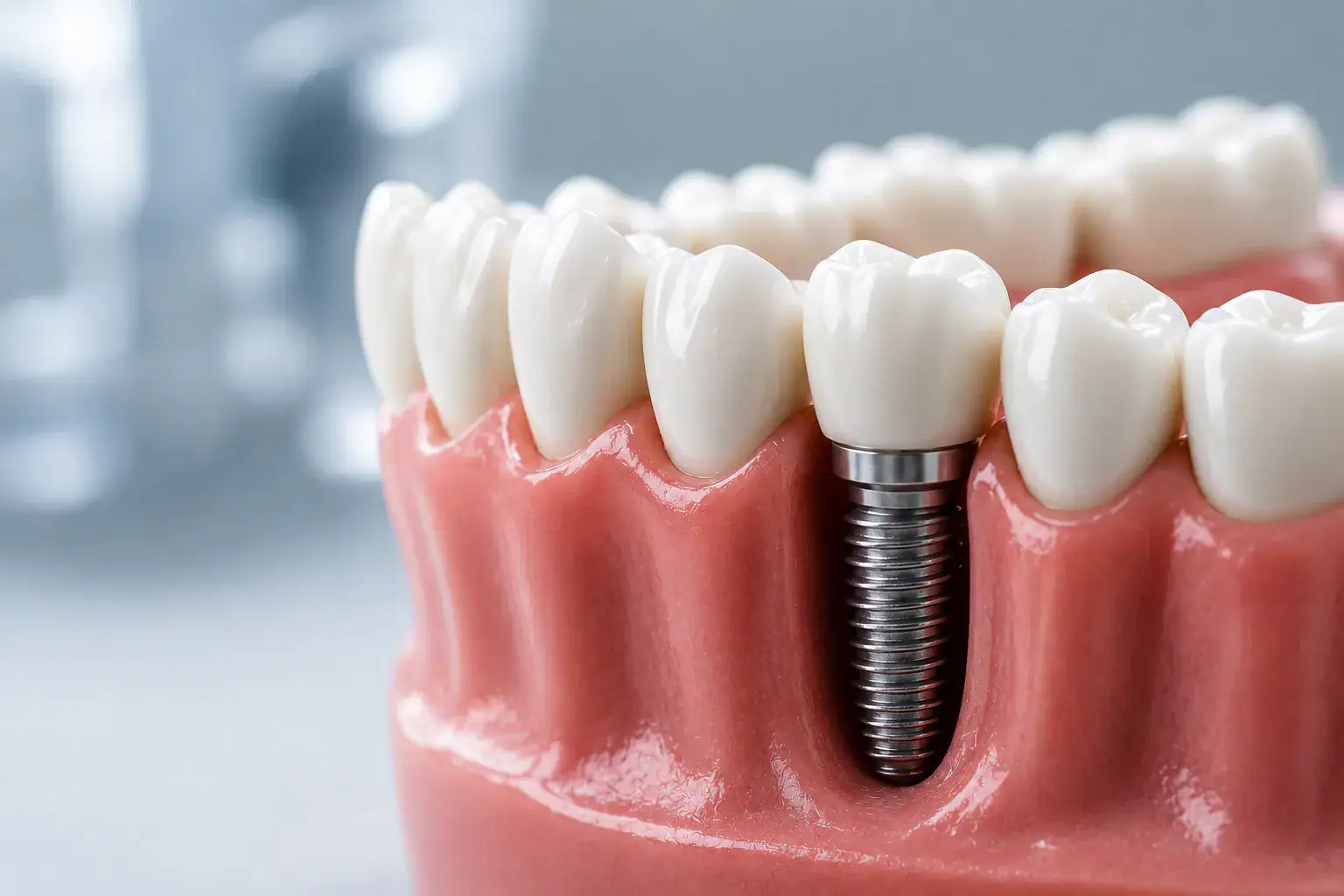
Implantation is considered one of the most reliable ways to restore lost teeth. When planning…
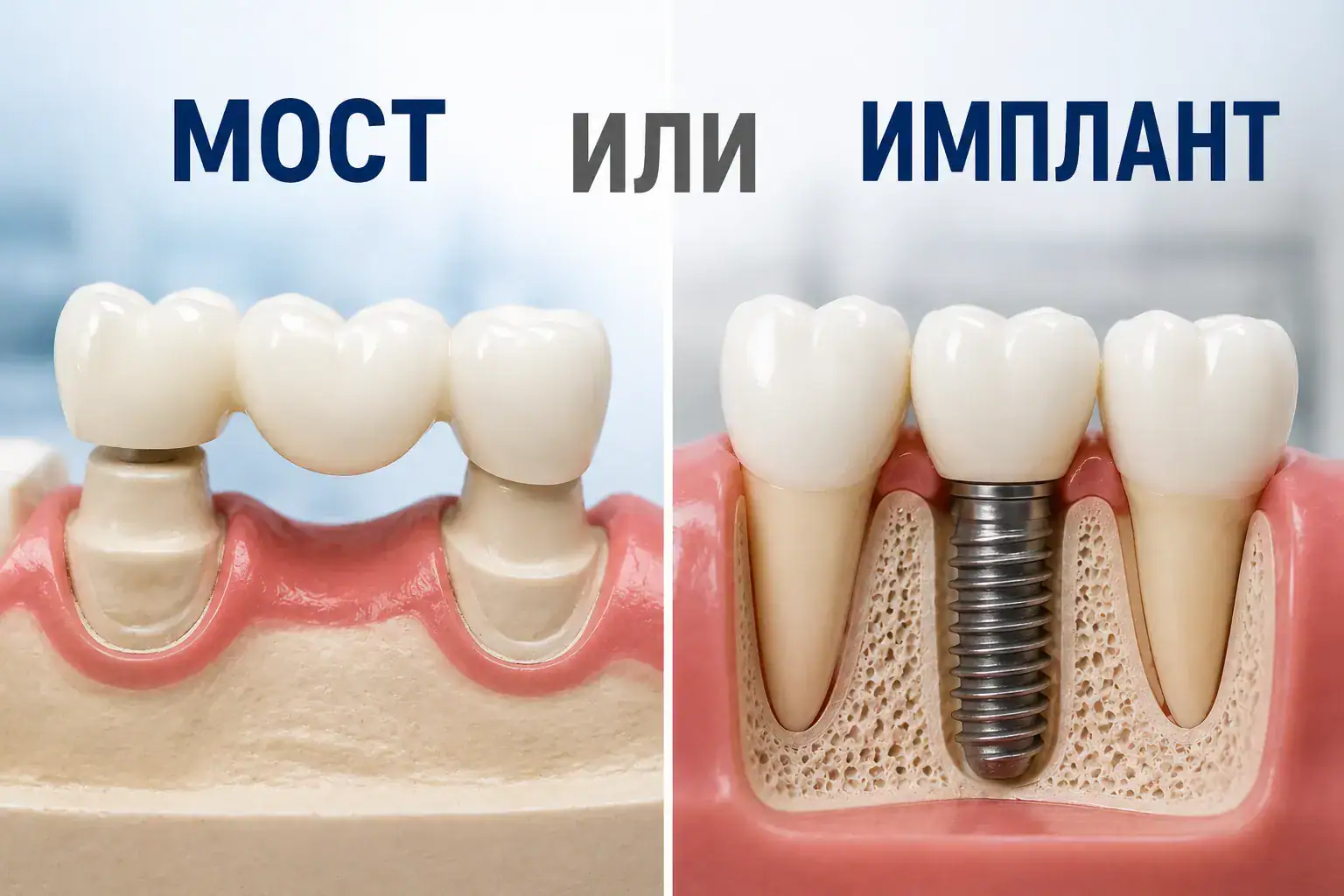
Which is better: a bridge or an implant?
Losing even a single tooth can lead not only to aesthetic discomfort but also to…

Dental Implants: Should You Be Afraid?
Dental implantation in Astana is the most sought-after procedure for restoring the integrity of the…
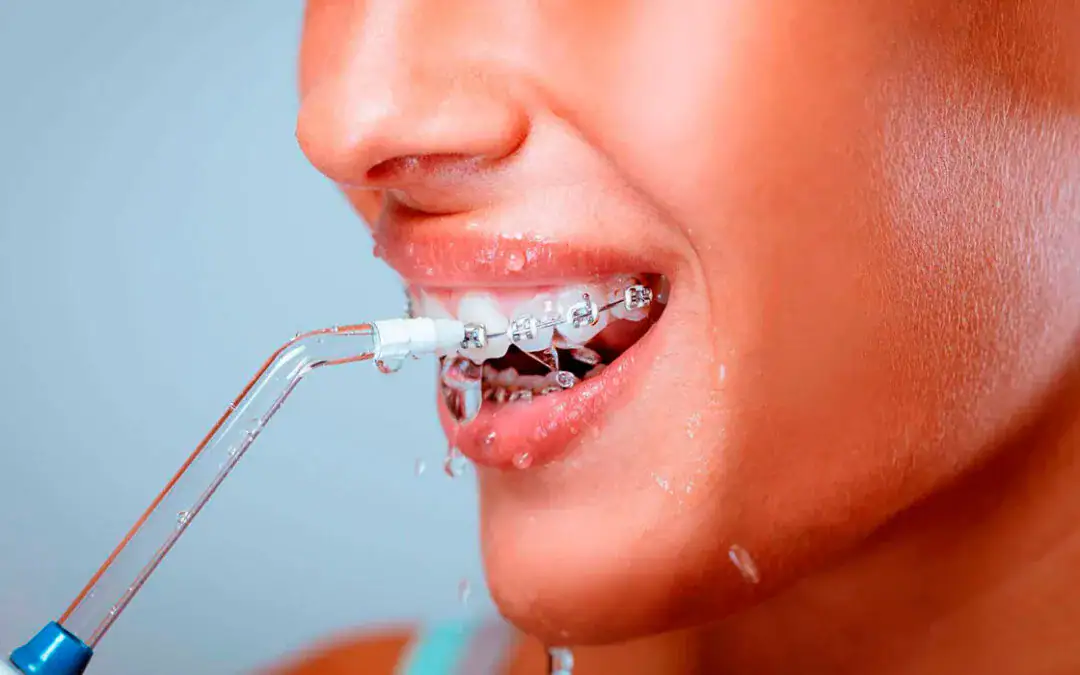
Caring for Braces After Installation
Braces help straighten the teeth, create a beautiful smile, and correct bite defects. These appliances…


