



Tooth Replantation in Astana
Tooth replantation is a surgical procedure in which a knocked-out or extracted tooth is returned to its socket or transplanted to another site. In many clinical situations, this is an effective alternative to dental implantation, allowing the patient’s natural tissues to be preserved. At the Doctor Dent dental clinic (Astana), we perform both emergency replantation due to trauma and planned autotransplantation. We utilize modern 3D Dental digital diagnostics, Cone-Beam Computed Tomography (CBCT), and microsurgical techniques to ensure precise planning and successful integration. For patient comfort, we employ anti-stress protocols and “sleep dentistry” (sedation).

When is Tooth Replantation Indicated?
- Replantation Following Tooth Trauma: The primary indication is a total tooth avulsion, where the tooth is completely knocked out of its socket. This most commonly occurs with upper front incisors and canines due to their single-root structure. The goal is to return the tooth to the socket as quickly as possible and secure it using splinting. The sooner the replantation is performed, the higher the chance of successful re-attachment.
- Autotransplantation (Transplanting Your Own Tooth): If a molar is severely damaged and requires extraction, and the patient has a healthy wisdom tooth (third molar) or a supernumerary tooth, autotransplantation may be an option. In this case, the damaged tooth is removed and replaced with the patient’s own healthy tooth. This serves as a functional alternative to an implant under specific indications.
Tooth Replantation After Trauma — What to Do
According to clinical data, the chances of successful re-attachment increase significantly if the tooth is returned to the socket within 5 minutes of the injury.
If a total tooth avulsion occurs:
- Gently rinse the tooth with saline, milk, or clean water (do not use alcohol or hot water);
- Hold the tooth only by the crown (the chewing surface);
- Do not touch or clean the root;
- Try to gently insert the tooth back into the socket, using adjacent teeth as a guide;
- Secure it slightly by biting down gently;
- Seek dental care immediately.
If you cannot return the tooth yourself:
- Place it in milk or saline;
- Book an emergency appointment at Doctor Dent in Astana as quickly as possible.
Contraindications to Replantation
The procedure is not possible in all cases.
Following trauma, replantation cannot be performed if:
- There is a root fracture;
- The tooth crown is destroyed;
- The alveolar process is damaged.
For autotransplantation, the donor tooth must be completely healthy.
The procedure may also be contraindicated in cases of:
- Multiple cavities (caries);
- Severe forms of periodontitis;
- Immunodeficiency states;
- Severe chronic diseases.
Note: Smoking significantly reduces the prognosis for successful tooth integration.
How Tooth Replantation is Performed at Doctor Dent (Astana)
Emergency Replantation: In cases of trauma, our surgeons act with maximum speed. The tooth is carefully returned to the socket and secured with a splint for stabilization.
Planned Autotransplantation: This procedure involves several stages:
- CBCT imaging and analysis using the 3D Dental digital system;
- Assessment of the shape and size of the donor tooth;
- Creation of a 3D model for pre-fitting;
- Careful extraction of the damaged tooth;
- Transplanting the donor tooth into the prepared socket;
- Suturing and splinting for fixation;
- Root canal treatment (after 2 weeks);
- Installation of a ceramic crown if necessary (after 2–3 months).
This protocol ensures high precision in placement and an excellent prognosis for integration.
Preparation for the Procedure
High-quality diagnostics are the key to treatment success. At Doctor Dent, we use:
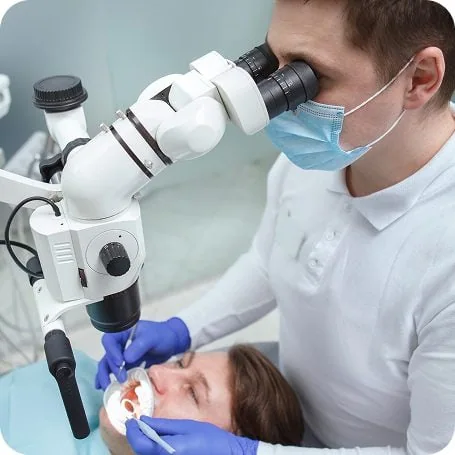
- CBCT (3D dental tomography) to assess bone tissue and roots;
- Digital image analysis via the 3D Dental system;
- Microsurgical techniques.
All surgical procedures are performed under reliable local anesthesia. At the patient’s request, treatment under sedation or “sleep dentistry” is available.
Types of Tooth Replantation
Immediate Replantation: Performed immediately after the injury. This is the gold standard for treating total tooth avulsion.
Delayed Replantation: Performed some time after the injury. While the prognosis for integration is lower, there is still a chance to save the tooth, making it vital to see a doctor urgently.
Possible Complications
Following replantation, the following may occur:
- Infectious complications;
- Tooth discoloration;
- Inflammatory root resorption;
- Ankylosis (fusion of the root to the bone);
- Apical periodontitis;
- Fistula formation.
Adherence to modern medical protocols, sterility, and the expertise of our surgeons — the standards practiced at Doctor Dent — help minimize these risks.
Advantages of Tooth Replantation at Doctor Dent
- Experienced dental surgeons with practice in complex autotransplantations.
- State-of-the-art digital diagnostics: 3D Dental and CBCT.
- Microsurgical techniques.
- Strict sterilization and safety standards.
- Anti-stress approach: sedation and sleep dentistry.
We do everything possible to preserve your natural tooth and ensure long-term results.
Blog
Expert Insights on Dental Health
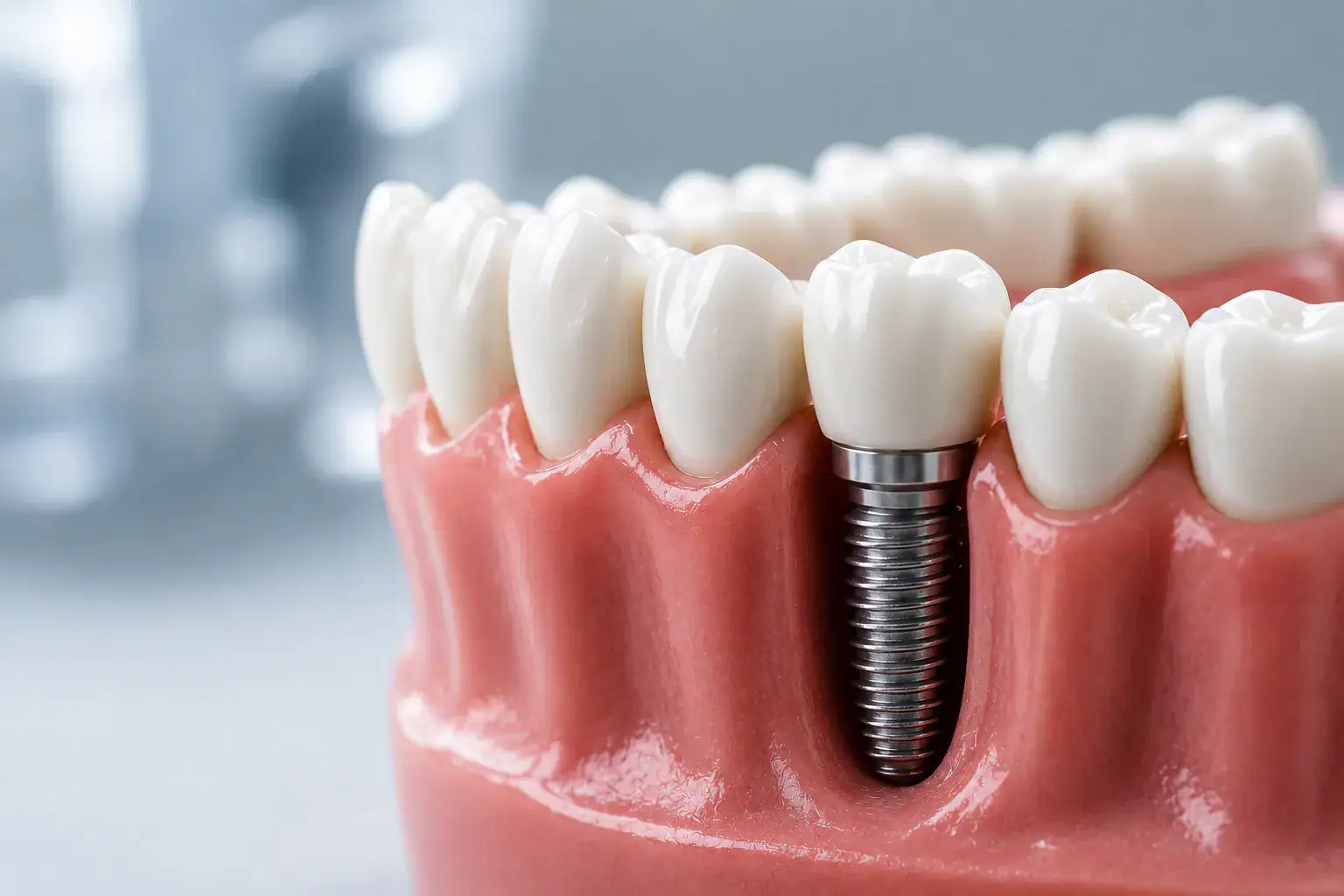
Implantation is considered one of the most reliable ways to restore lost teeth. When planning…
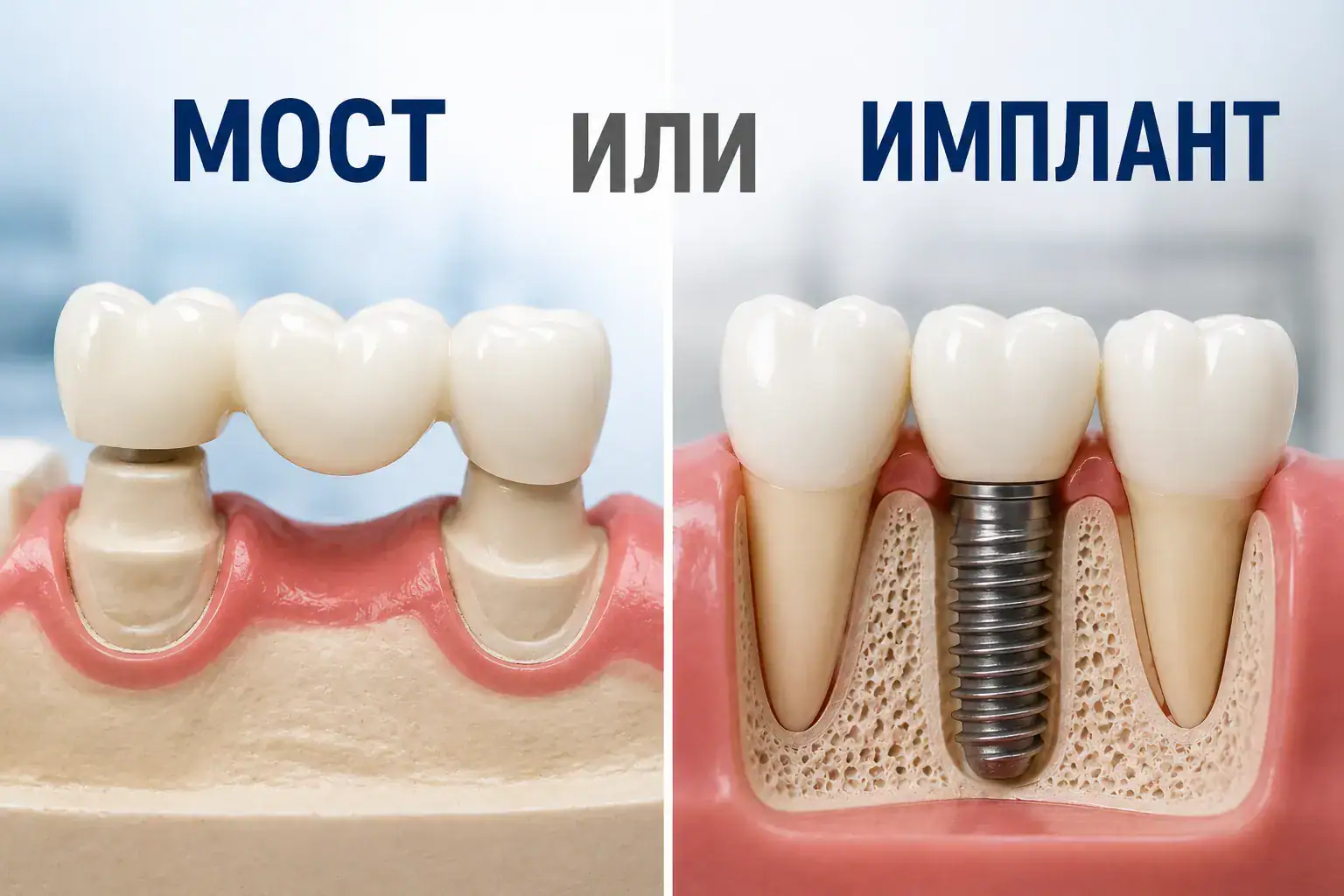
Which is better: a bridge or an implant?
Losing even a single tooth can lead not only to aesthetic discomfort but also to…

Dental Implants: Should You Be Afraid?
Dental implantation in Astana is the most sought-after procedure for restoring the integrity of the…
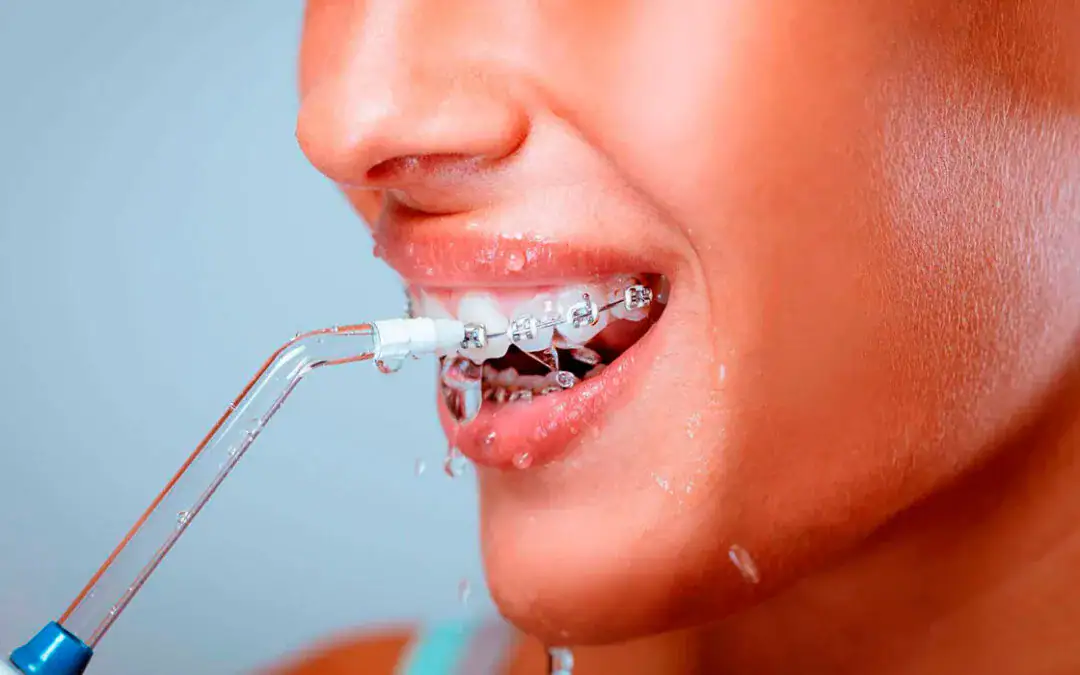
Caring for Braces After Installation
Braces help straighten the teeth, create a beautiful smile, and correct bite defects. These appliances…


