





Bone Grafting in Astana
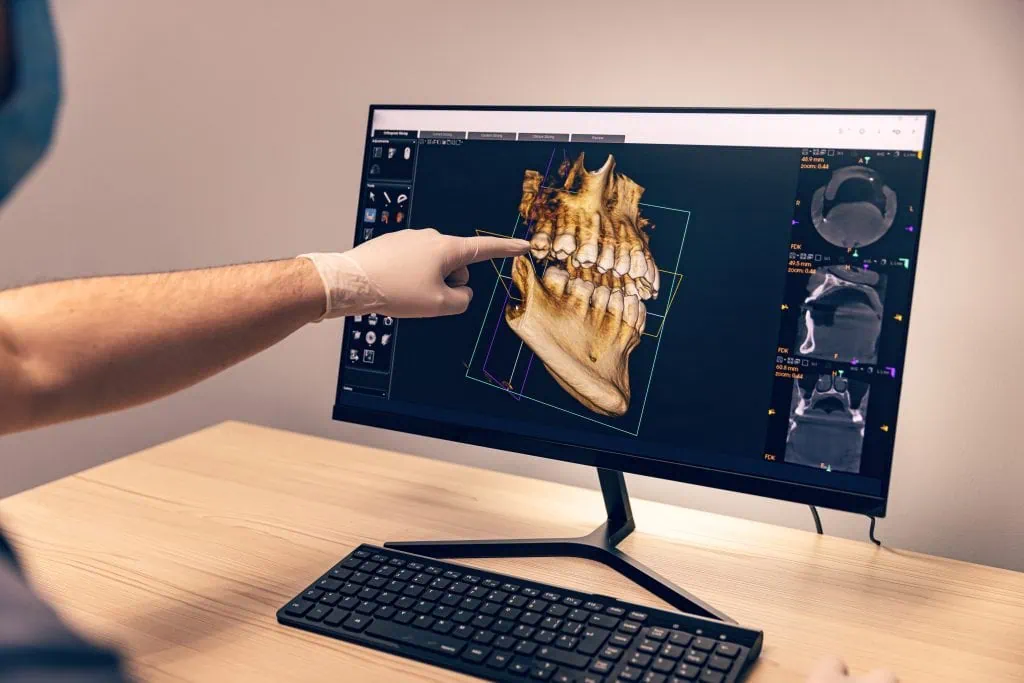
Successful dental implantation requires a sufficient amount of bone tissue. If there is a deficiency, a preparatory stage called bone grafting (osteoplasty) is performed. At the Doctor Dent clinic (Astana), we utilize 3D Dental artificial intelligence to analyze CT scans and plan the procedure. The software evaluates the bone tissue condition and helps the doctor choose the optimal approach. The procedure is painless: it can be performed under local anesthesia, conscious sedation, or “sleep dentistry”—you won’t even notice the process.
What is Bone Grafting?
If bone tissue is insufficient, implant placement can lead to complications:
- Implant mobility or breakage;
- Peri-implantitis — inflammation around the artificial root.
Bone grafting stimulates bone growth and increases its volume, providing a reliable foundation for the implant. Only with adequate bone volume will the implant be durable and reliable.
Why Bone Grafting at Doctor Dent?
One of the most common types of osteoplasty is sinus lifting — bone augmentation in the posterior sections of the upper jaw. This technique utilizes the maxillary sinus cavities to increase bone volume.
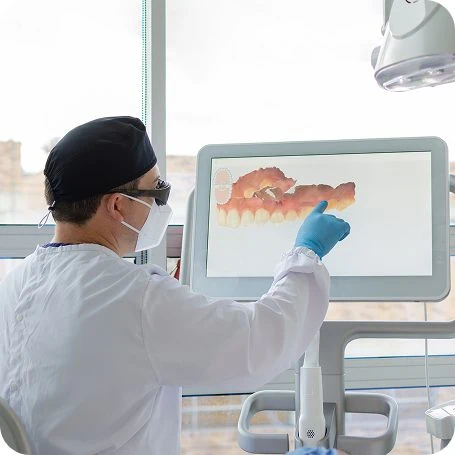
At Doctor Dent, we use 3D Dental for CBCT analysis. It determines the state of the bone tissue and sinuses from 3D images, helping the doctor make an accurate diagnosis and plan safe treatment.

When is Bone Grafting Needed?
The decision is made by the doctor after a diagnostic assessment. Situations requiring the procedure include:
- Long-term absence of teeth after extraction (usually after 10–12 months);
- Traumatic tooth extraction (we use only atraumatic methods);
- Bone atrophy due to disease (periodontitis, parodontitis);
- Congenital anomalies (e.g., absence of lateral incisors or premolars);
- Consequences of jaw trauma.
In some cases, such as immediate implant placement after extraction, bone grafting may not be required.
Types of Bone Grafting
- Lower jaw, posterior sections: increasing bone volume for a correct bite.
- Frontal area: bone augmentation combined with smile aesthetics.
- Upper jaw, posterior sections (Sinus Lifting): closed and open access methods via the maxillary sinuses.
How is Bone Grafting Performed?
Today, osteoplasty is a routine outpatient procedure that is painless and safe. Common methods include:
Bone Block Grafting: Used for significant height and width deficiencies. Autogenous bone material (from the patient, e.g., the chin area) is transplanted to the site. Using the patient’s own bone significantly increases the chances of successful integration. Implantation is possible after 6–12 months.
Bone Splitting (Ridge Expansion): Applied if bone height is sufficient but thickness is lacking. The bone is split along the ridge, the implant is fixed into the space, and it is reinforced with bone material.
Post-Operative Care
After the procedure, patients may experience:
- Light bleeding;
- Minor discomfort;
- Soft tissue swelling.
Doctor Dent provides detailed recommendations on home care, recovery signs, and when to see a doctor. Proper post-operative care is essential for successful implantation and the longevity of the dental implant.
Blog
Expert Insights on Dental Health
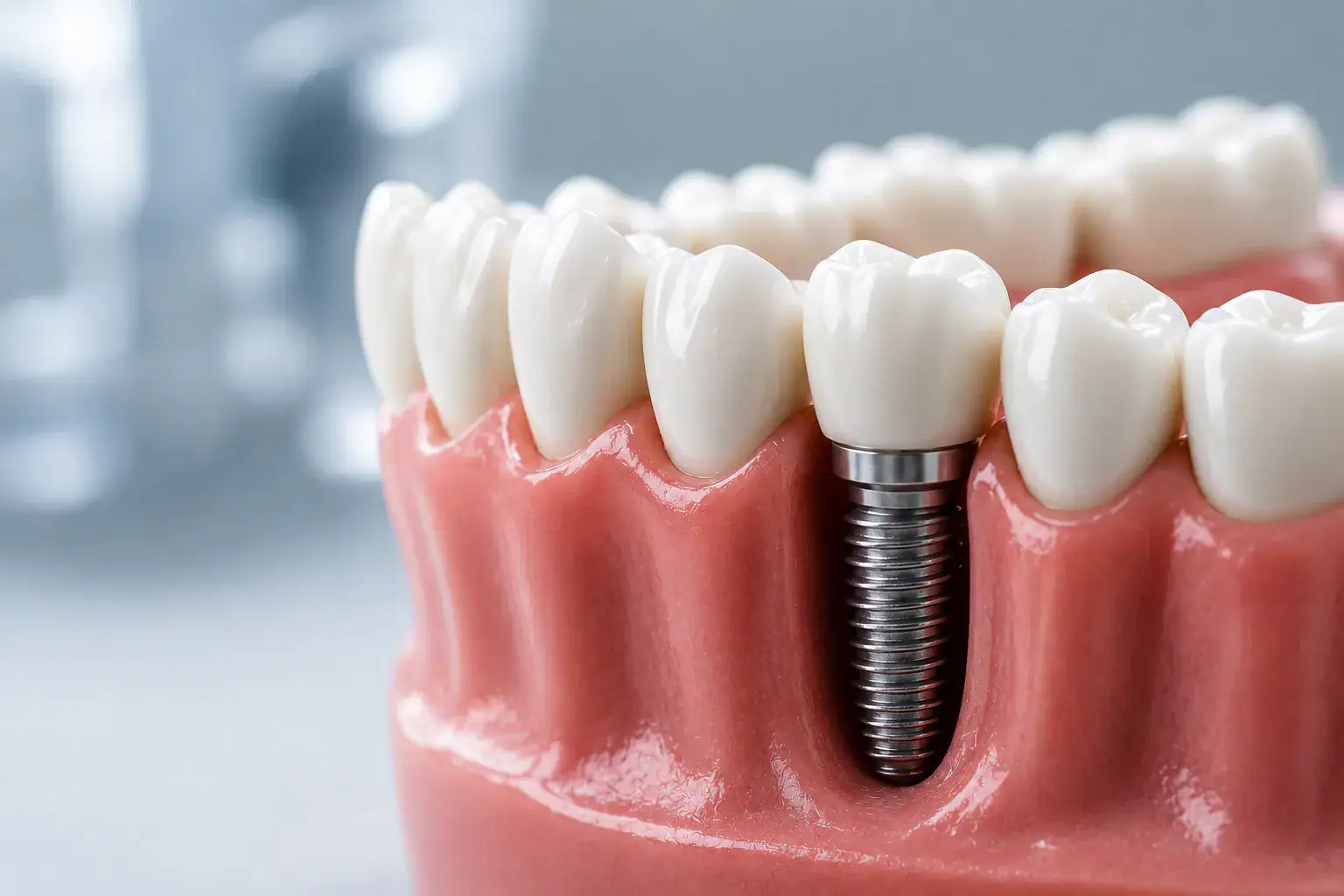
Implantation is considered one of the most reliable ways to restore lost teeth. When planning…
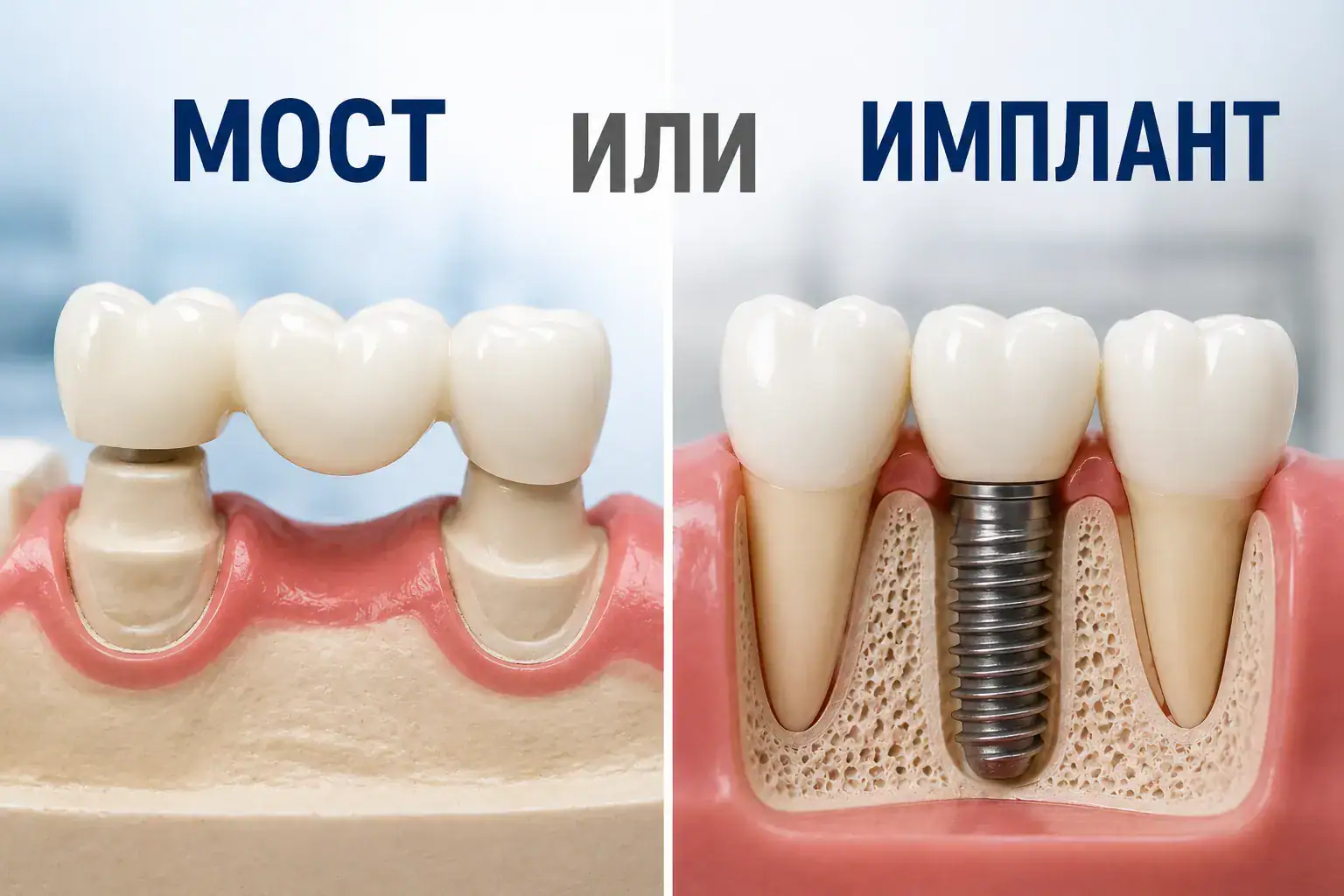
Which is better: a bridge or an implant?
Losing even a single tooth can lead not only to aesthetic discomfort but also to…

Dental Implants: Should You Be Afraid?
Dental implantation in Astana is the most sought-after procedure for restoring the integrity of the…

Caring for Braces After Installation
Braces help straighten the teeth, create a beautiful smile, and correct bite defects. These appliances…


