


Posterior Dental Implantation at Doctor Dent (Astana)
At the Doctor Dent clinic (Astana), we perform posterior dental implantation (molars) using digital technologies and the 3D Dental system. Artificial intelligence assists in performing precise diagnostics and placing the implant in a strictly calculated position—at the correct angle and optimal depth. Thanks to this approach, the implant survival rate at our clinic reaches 99% (compared to the global average of approximately 95%).
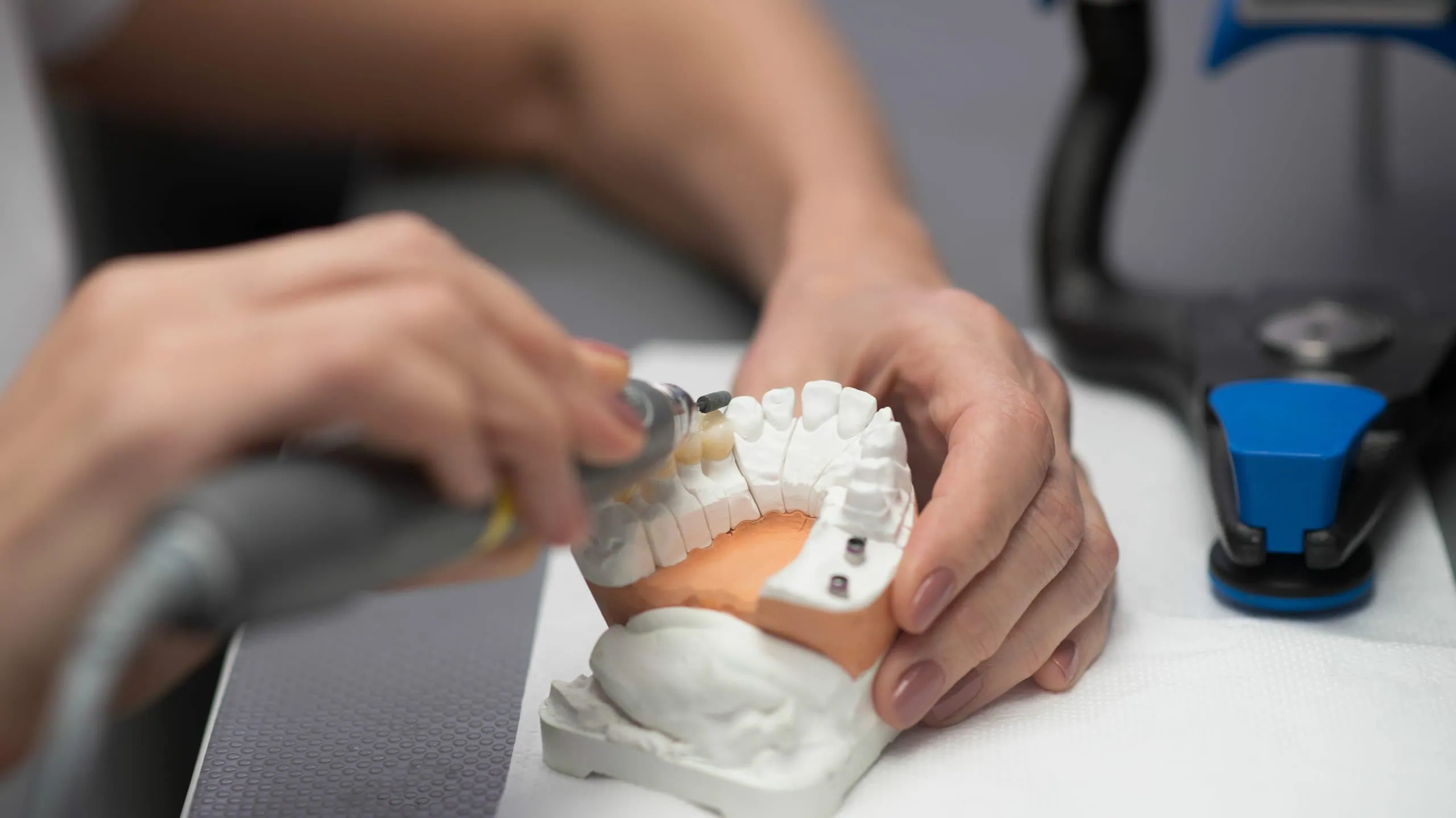
Posterior Dental Implantation
Restoring chewing teeth (molars) is a vital part of maintaining overall health and a harmonious smile. The loss of molars affects not only the quality of food chewing but also triggers bone tissue atrophy. Over time, this can lead to bite misalignment and disruptions in the entire maxillofacial system.
Modern dental implantation effectively restores lost molars, returns full chewing function, and preserves the aesthetics of your smile.
The team of implant surgeons at Doctor Dent in Astana possesses extensive practical experience and conducts the procedure with maximum patient comfort. We utilize modern “anti-stress” dentistry methods—ranging from local anesthesia to treatment under sedation or “sleep dentistry.”
Experienced implant surgeons in Astana
99% implant survival rate at Doctor Dent
Pain-free and stress-free implantation
We treat adults with the same care and attention as children
Implantation using Artificial Intelligence
The 3D Dental system supports the doctor at every stage of treatment
Why is it important to replace a missing molar?
Implantation of posterior teeth is necessary to maintain the full functionality of the dental system. These teeth bear the primary load during eating, directly impacting digestion and overall well-being.
Their loss can lead to the following consequences:
- Shifting of adjacent teeth
- Bite misalignment (malocclusion)
- Increased load on remaining teeth
- Reduction in bone volume
- Changes in facial contours
Posterior dental implantation helps maintain health, restore chewing function, and prevent further complications.
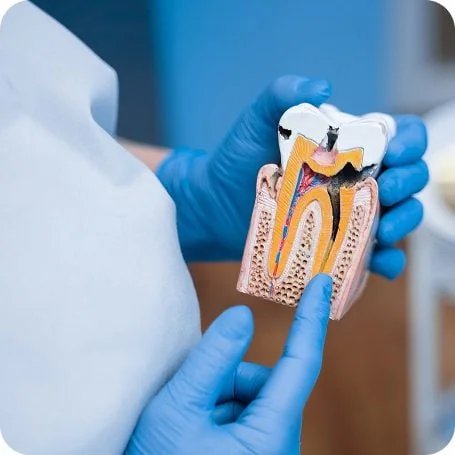
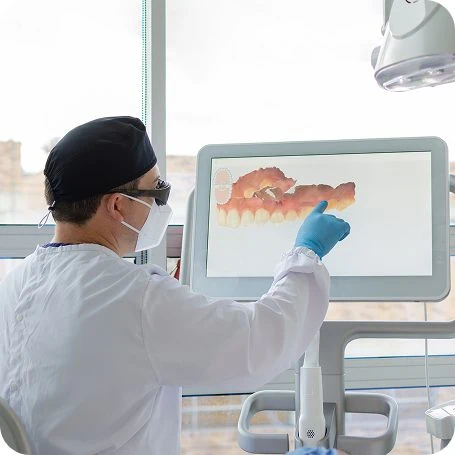
Posterior Implantation on the Lower Jaw
Implantation on the lower jaw is usually more predictable due to high bone density.
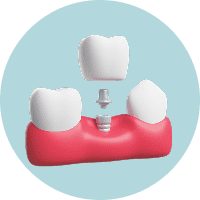
During the procedure, a titanium implant is placed into the bone to serve as an artificial tooth root. After placement, the osseointegration stage begins—the process where the implant fuses with the bone.
Subsequently, an orthopedic dentist fixes a crown that fully restores the shape, function, and appearance of the molar. Our doctors use the finest instruments, ensuring minimal tissue trauma. Each method is selected individually, taking into account the patient’s specific needs and the complexity of the procedure.
Posterior Implantation on the Upper Jaw
The bone tissue of the upper jaw is less dense, requiring more meticulous planning. In some cases, bone grafting or a sinus lift may be necessary to increase bone volume.
Even with a significant bone deficiency, modern technologies allow for stable results. After the healing period, a crown is placed on the implant to restore chewing function and aesthetics.
At Doctor Dent, an individual treatment plan is developed for every patient to ensure long-lasting results.
Indications for Posterior Implantation
Implant placement for chewing teeth is recommended for:
- Partial loss of molars
- Complete loss of posterior teeth
- Tooth extraction due to complicated caries
- Periodontitis
- Trauma
Implantation is essential for restoring chewing function, preventing bone atrophy, and maintaining the correct position of the teeth. Modern implant systems are suitable for patients of any age, provided there are no contraindications.
When is implantation contraindicated?
There are conditions where dental implantation is temporarily or permanently not recommended:
- Acute inflammatory processes in the oral cavity
- Severe forms of diabetes mellitus
- Oncological diseases
- Blood clotting disorders
- Serious cardiovascular diseases
- Inadequate oral hygiene
In such cases, preparatory treatment is performed first, or alternative tooth restoration methods are considered.
Choosing Implants for Posterior Teeth
To restore molars, Doctor Dent uses titanium implants with high biocompatibility and strength. For permanent restorations, we use ceramic crowns that provide reliability, aesthetics, and comfort while chewing.
The choice of the implantation system depends on:
- Bone tissue volume
- The specific clinical situation
- Individual patient characteristics
Modern Technologies in Implantation
The precision of molar implant placement plays a key role in the longevity of the restoration. Our clinic uses the 3D Dental system, which analyzes CBCT scans and digital impressions to calculate the optimal position of the implant.
Based on this data, a surgical navigation guide is created, which:
- Increases surgical precision
- Reduces the risk of complications
- Extends the lifespan of the implant
All implant systems meet international quality standards and undergo strict control.
Stages of Posterior Dental Implantation
Diagnostics and Preparation
Before the procedure, a comprehensive examination is conducted: CBCT and 3D scanning. The 3D Dental system helps the doctor evaluate the bone tissue condition and create an individual implantation plan. If necessary, caries treatment, tooth extraction, or bone grafting is performed.
Implant Placement
The procedure takes approximately 30 minutes and is performed under local anesthesia or sedation. The doctor creates access to the bone and installs the implant. The healing period takes between 3 to 8 months. In some cases, immediate load implantation is possible—placing a temporary crown immediately after surgery.
Crown Fixation
After full osseointegration, the abutment and permanent crown are installed. The doctor carefully monitors every stage, ensuring a reliable and aesthetic result.
Rehabilitation After Implantation
The recovery period includes:
- Strict adherence to the doctor’s recommendations
- Taking prescribed medications
- Regular check-ups
In the first few days, slight swelling or discomfort may occur, which resolves on its own. Full osseointegration usually takes 3–6 months. We recommend meticulous oral hygiene, using a soft brush, dental floss, and an irrigator. With proper care, implants can last for decades.
Cost of Posterior Dental Implantation in Astana
The price of implantation depends on:
- The chosen implant system
- The scope of preparatory procedures
- The need for bone grafting
- The type of crown
- The complexity of the clinical case
The exact cost is determined after a consultation and 3D diagnostics at the Doctor Dent clinic.
Advantages of Posterior Implantation at Doctor Dent (Astana)
Doctor Dent has implemented implantation using artificial intelligence and digital planning. This allows us to achieve high predictability of treatment and an implant survival rate of up to 99%.
Our advantages:
- Experienced implant surgeons
- State-of-the-art equipment
- Minimally invasive techniques
- Anti-stress approach
- Quality guarantee
Posterior dental implantation at Doctor Dent is a reliable way to restore function, health, and aesthetics using the advanced technologies of modern dentistry in Astana.
Blog
Expert Insights on Dental Health
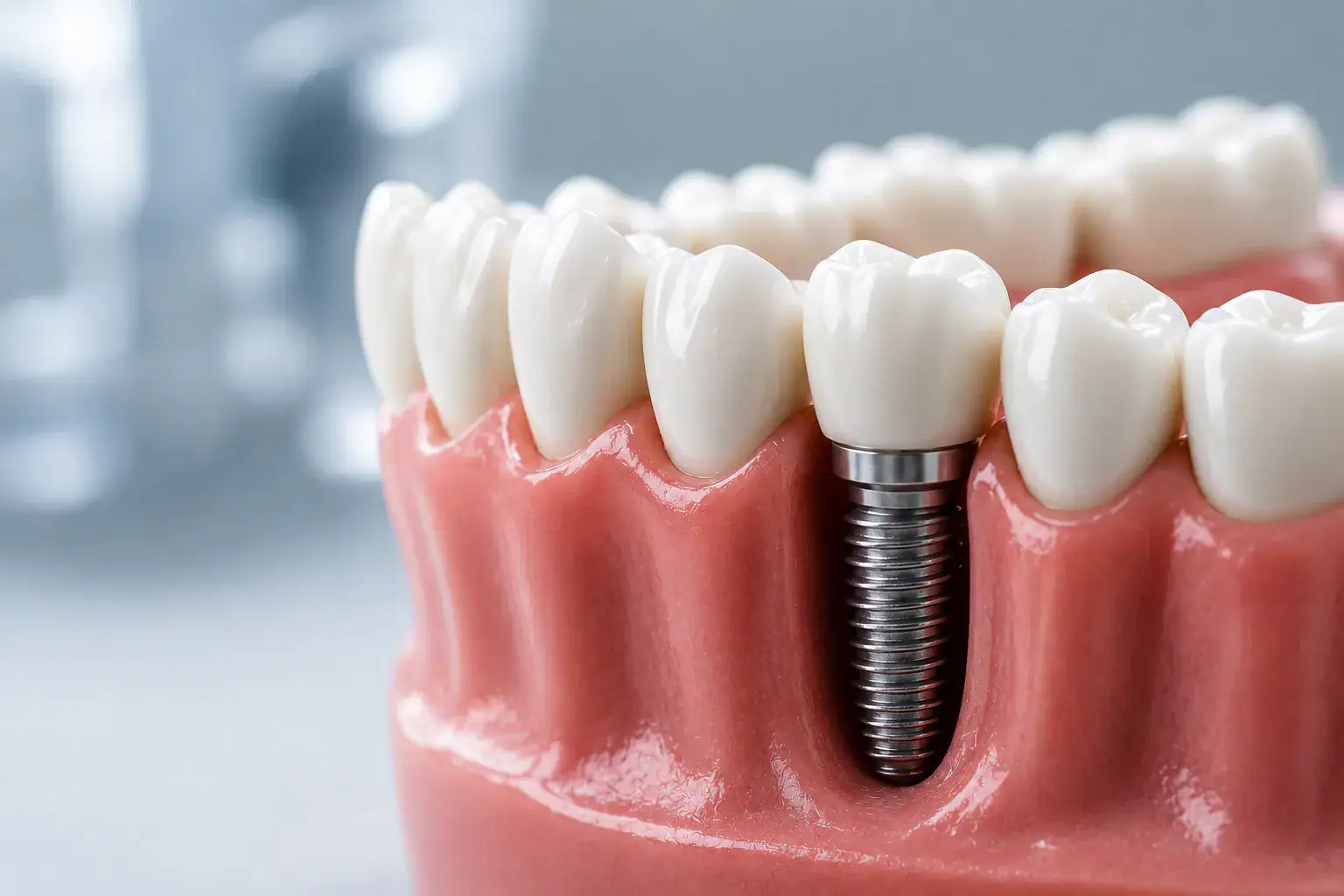
Implantation is considered one of the most reliable ways to restore lost teeth. When planning…
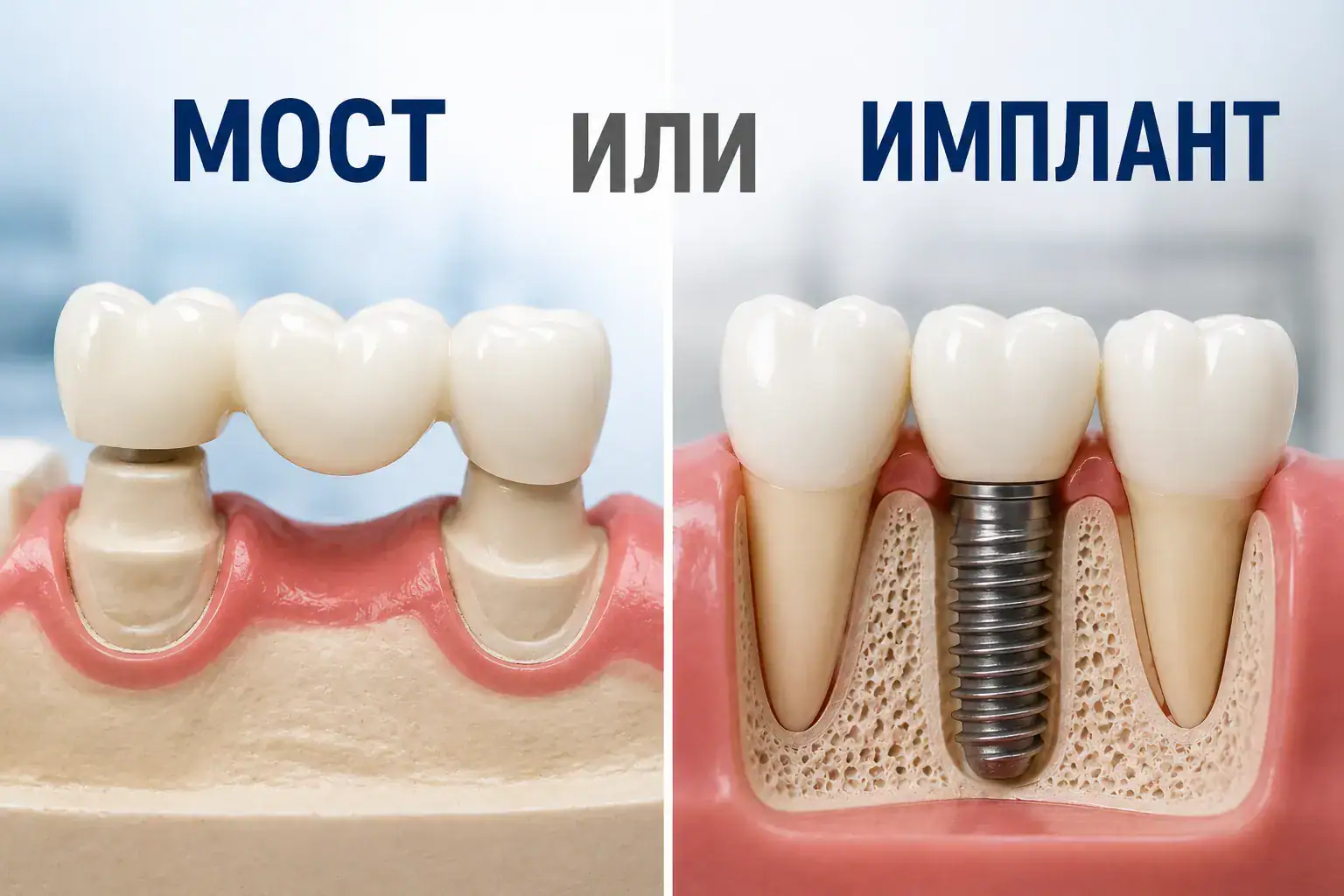
Which is better: a bridge or an implant?
Losing even a single tooth can lead not only to aesthetic discomfort but also to…

Dental Implants: Should You Be Afraid?
Dental implantation in Astana is the most sought-after procedure for restoring the integrity of the…
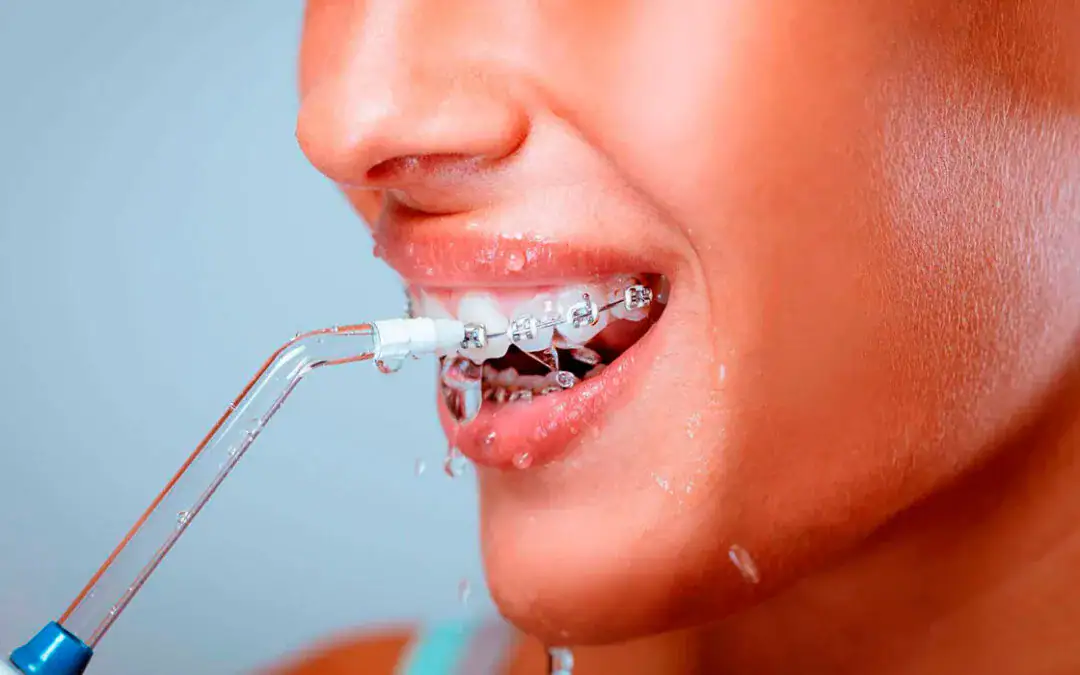
Caring for Braces After Installation
Braces help straighten the teeth, create a beautiful smile, and correct bite defects. These appliances…


