




Dental procedures are shrouded in many misconceptions that have been passed down from person to person for years. Some of them are born from outdated technologies and methods, while others arise from a lack of reliable information. As a result, patients often delay their visit to the doctor, thereby worsening their health. In this article, we will break down the most common myths about dental treatment and look at how things actually stand today.
Myth #1: “Dental treatment is always painful”
One of the most common fears before going to the dentist is the fear of pain. Many still recall past experiences or share stories about how someone “was given anesthesia, but it still hurt.” In the reality of modern dentistry, all the necessary tools exist to make treatment as comfortable as possible.
- Modern Anesthetics
Today, a new generation of anesthetic drugs is used, which are highly effective and have minimal side effects. Patients can discuss the level of anesthesia and potential allergies with their doctor to choose the optimal option. - Computer-Aided Anesthesia
In some clinics, computer systems are used for local anesthesia. These systems deliver the anesthetic slowly and evenly, avoiding sharp pressure spikes. This significantly reduces discomfort, even at the injection stage.
Reality: With the correct choice of anesthesia and modern equipment, the patient feels practically no pain, and in many cases, not even discomfort. Furthermore, the fear of pain is often much stronger than the actual sensations during treatment.
Myth #2: “Extracting a diseased tooth is easier than treating it”
Some patients believe that if a tooth hurts or is severely damaged by decay, it is better to extract it immediately rather than spend time and money on treatment. However, losing a tooth is a serious problem that leads to changes in the bite, impaired chewing function, and can even trigger chronic pain in the temporomandibular joint (TMJ).
- Restoration Capabilities
Dentistry is constantly evolving: doctors have methods to restore teeth even with significant damage. Pins, inlays, and crowns made of modern materials are used, allowing the “natural” root and part of the tooth walls to be preserved if they are in satisfactory condition. - Consequences of Extraction
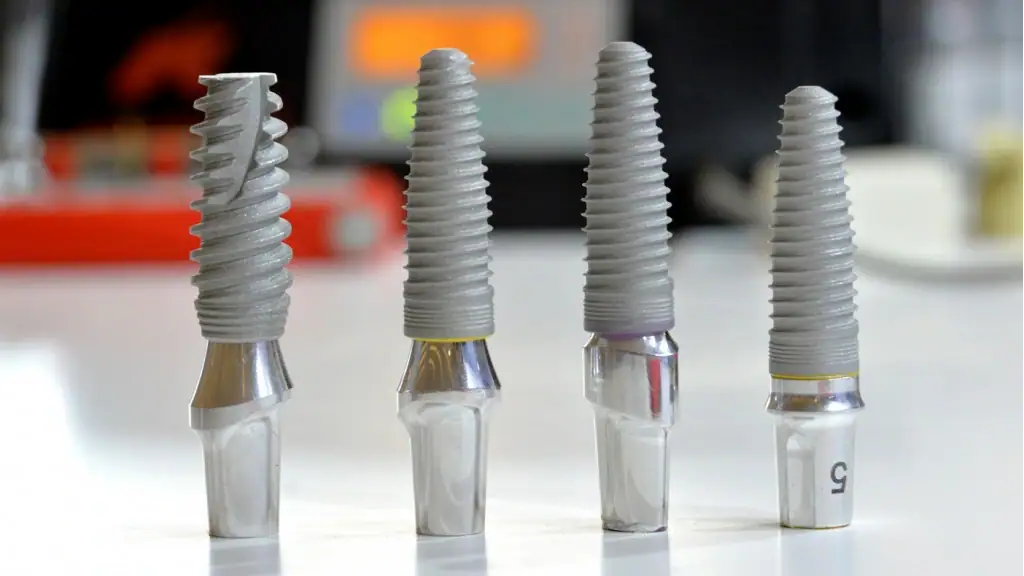
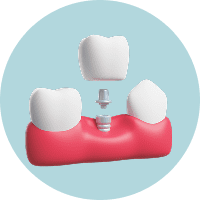
An empty space in the dentition inevitably leads to the shifting of adjacent teeth, increases the load on the remaining ones, and can cause complications. Placing an implant is a different procedure that requires additional time, investment, and good bone health.
Reality: Saving a tooth is always a priority for a dentist, as preserving one’s own tooth (even if partially damaged) is preferable to prosthetics. Extraction is a last resort when treatment is truly impossible.
Myth #3: “Whitening destroys enamel”
The fear that teeth will become more brittle and sensitive after any whitening procedure is widespread. This feeling can partly arise from incorrectly chosen methods or the over-frequent use of aggressive home whitening products.
- Safe Methodologies
Professional whitening at the dentist is performed using certified gels and lamps, following protocols aimed at protecting the gums and minimizing negative effects on the enamel. After the procedure, the doctor may recommend fluoride-containing compositions to strengthen the teeth. - Home Experiments
Many “folk” recipes exist (for example, brushing teeth with baking soda or lemon juice) that can truly damage the enamel due to uncontrolled abrasiveness or chemical aggression. Therefore, any independent whitening, especially using unverified methods, must be coordinated with a specialist.
Reality: When approached correctly, whitening does not destroy the enamel. It is important to follow the doctor’s recommendations and avoid DIY methods.
Myth #4: “Brushing twice a day is enough to avoid doctor visits”
Regular hygiene is a crucial factor in preventing cavities and other oral diseases, but a brush and paste alone are often insufficient for dental health. In addition to brushing, professional examination and the removal of plaque—which can turn into tartar over time—are vital.
- Professional Hygiene
Roughly once every six months (and for some, more often), it is recommended to have a professional cleaning by a dental hygienist. The specialist removes hard deposits, polishes the enamel, and, if necessary, performs remineralization or fluoridation. - Early-Stage Diagnostics
Even with perfect brushing, some hidden problems (early caries, gum issues) cannot be identified without special tools and X-rays. Regular check-ups help “catch” a disease at its earliest stage, when treatment is simpler and cheaper.
Reality: A toothbrush and paste are the fundamental basics of hygiene, but professional check-ups and cleaning are necessary for a comprehensive approach to dental health.
Myth #5: “If the toothache has subsided, the problem is solved”
Many patients delay a visit to the dentist when the pain suddenly fades. However, the cessation of pain does not always mean recovery. Sometimes the inflammatory process can become chronic or subside temporarily while the infection spreads deeper.
- The Danger of Hidden Processes
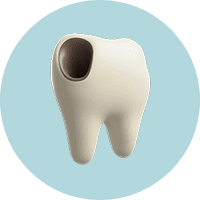
Small cavities can become large cavities and reach the nerve. When the infection overcomes the pain threshold (killing the nerve), the pain may indeed stop. But the destruction of the tooth continues. - Risks of Complications
Neglected caries or pulpitis can lead to inflammation of the bone tissue (osteomyelitis), the formation of cysts, and other severe conditions requiring prolonged treatment and surgical intervention.
Reality: Pain is a signal that something is wrong. If it subsides but the cause is not eliminated, the problem only worsens. A doctor’s examination is necessary in any case.
Myth #6: “All materials are the same; some just charge more”
Patients are sometimes convinced that the differences between filling materials or crowns are just “marketing,” and in reality, they are all the same. However, in dentistry, the quality of materials directly affects the lifespan of fillings, the aesthetics of the smile, and overall health.
- Lifespan and Sealing
Different composites and ceramic materials have different levels of adhesion, shrinkage rates, strength, and wear resistance. The higher these indicators, the longer a filling or crown will last without chipping or cracking. - Aesthetics and Biocompatibility
For front teeth, natural color and compatibility with oral tissues are vital. Cheap materials can change color over time or cause gum irritation. Modern options, however, possess high color stability and hypoallergenic properties.
Reality: Different materials fall into different price categories that reflect not just a “brand,” but quality, appearance, durability, and safety for the body. Saving on this means risking having to redo everything sooner than desired.
Myth #7: “Children don’t need to see a dentist until their permanent teeth come in”
Some parents believe that a child does not need dental supervision until their permanent teeth begin to erupt. However, the health of baby teeth is the foundation for the correct formation of the permanent bite and the harmonious development of the jaw.
- Baby Teeth and Jaw Formation
Each baby tooth “holds the spot” for a future permanent one. If the destruction or early loss of a baby tooth is ignored, adjacent teeth may shift, making it difficult for the permanent teeth to emerge correctly. - Prevention of Fears and Habits
During regular visits to a pediatric dentist, the doctor can notice harmful habits (thumb sucking, incorrect swallowing) in time, provide psychological support, and create a positive image of the doctor for the child. This is very important so that a fear of treatment does not develop in the future.
Reality: It is recommended that children come for an examination as soon as their first baby teeth appear. Regular visits help prevent cavities, correct early bite issues, and teach the child proper oral hygiene.
Myth #8: “Plaque and tartar can be safely ignored — they aren’t dangerous”
Tartar and plaque on the enamel may seem like only an aesthetic flaw, but in reality, they are an aggressive environment where bacteria thrive. If plaque is not regularly removed, bacteria penetrate under the gums, causing inflammatory processes (gingivitis, periodontitis) and contributing to tooth loosening.
- Impact on Gums and Bone Tissue
Periodontitis is one of the most common diseases leading to bone atrophy around the tooth, gum recession, and eventually, tooth loss. Eliminating plaque and tartar significantly reduces the risk of such complications. - Prevention of Systemic Diseases
Studies show that bacteria from chronic infection sites in the oral cavity can spread throughout the body, affecting the cardiovascular system and other organs. Therefore, the importance of dental health should not be underestimated.
Reality: Regular professional cleaning at the dentist allows for the timely removal of plaque and tartar. This will not only keep your smile beautiful but also protect the body from developing serious diseases.
The more informed a patient is, the fewer fears they have regarding the dental chair. Many myths about dental treatment are long outdated or based on low-quality, unprofessional services that are now unacceptable in modern dentistry. High-tech equipment, quality materials, and multi-level anesthesia systems make procedures as safe and comfortable as possible for patients of any age.
Key advice: Do not delay your visit to the dentist by relying on questionable “folk recipes” or believing that it “will go away on its own.” Regular prevention, timely treatment, and trust in specialists are the three pillars upon which the health and beauty of your smile rest. Remember, the earlier any issue is detected, the easier and cheaper it is to fix—and a smile unshadowed by pain or insecurity is the key to confidence and a good mood.