



The pace of modern life is often accompanied by stress. However, few people realize that constant nervous tension can have a negative impact on the health of teeth and gums. At first glance, the link between stress and dental problems isn’t obvious, but research shows that chronic anxiety can lead to serious consequences for your oral health.
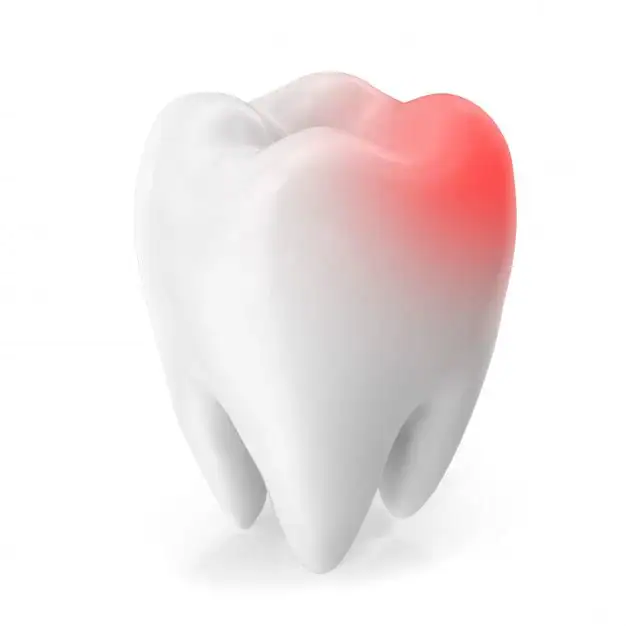
How does stress affect teeth?
Bruxism – The Enamel’s Silent Enemy
One common physical reaction to stress is bruxism – grinding your teeth during sleep or throughout the day. People experiencing high levels of anxiety often clench their teeth tightly without even noticing.
- Constant pressure on the teeth leads to enamel wear.
- Tooth sensitivity to hot and cold increases.
- Microcracks appear, which can later lead to chips and damage.
- If bruxism is left untreated, it can even lead to tooth destruction and jaw joint issues.
Weakened Immunity and Gum Inflammation
Stress suppresses the immune system, making the body more vulnerable to infections, including gum disease.
Gingivitis and periodontitis are more common in people suffering from chronic nervous tension.
Gums can bleed, become inflamed, and gradually lose their structure, which in advanced cases leads to tooth loss.
If measures aren’t taken in time, the process of tissue destruction can become irreversible.
Oral Hygiene Under Siege
Many people overwhelmed by work forget to brush their teeth regularly or do so inconsistently.
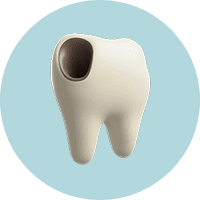
- Plaque buildup accelerates the development of cavities.
- Harmful habits, such as smoking, excessive coffee, and alcohol consumption, worsen the condition of teeth and gums.
- Late-night snacking on sweets due to stress creates the perfect environment for bacteria to multiply.
- Without regular oral care, problems can accumulate unnoticed until pain arises.
How to protect your teeth from the effects of stress?
Control your stress level
- Physical activity: Exercise helps lower cortisol levels.
- Meditation, yoga, and breathing exercises help you relax.
- A good night’s sleep restores the body’s strength and reduces anxiety.
Eat right
Certain foods help not only soothe the nervous system but also strengthen tooth enamel.
- B vitamins (whole grains, nuts) help reduce stress.
- Calcium and magnesium (dairy products, fish, leafy greens) protect tooth enamel.
- Omega-3 fatty acids (salmon, flaxseed oil) prevent gum inflammation.
- A healthy diet maintains the body’s mineral balance, which is beneficial for both the nervous system and dental health.
Use protective mouthguards
If you have bruxism, dentists recommend wearing special mouthguards during sleep. They prevent enamel wear and protect teeth from micro-damage.
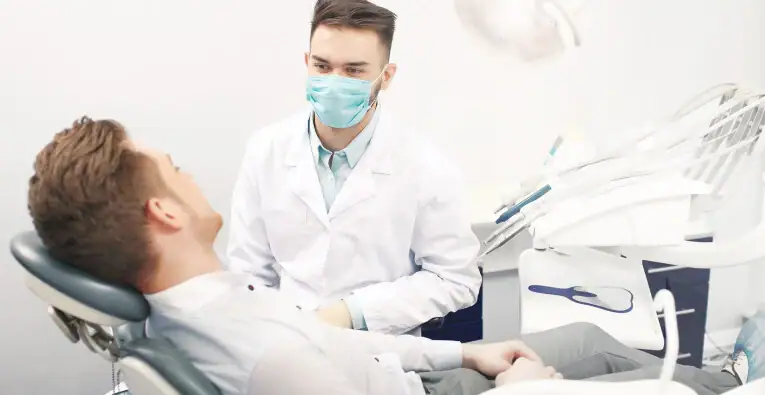
Visit the dentist regularly
- Professional cleaning helps remove plaque and prevent gum inflammation.
- Diagnosing bruxism will help identify the problem early and avoid enamel destruction.
- Treating tooth sensitivity will prevent the development of microcracks.
- The earlier a dentist identifies the problem, the easier it is to solve!
Conclusion
Stress really can harm your teeth and gums, leading to bruxism, inflammation, and cavities. However, by controlling nervous tension and practicing preventive care, most problems can be avoided.
Take care of your health – and your smile will always be beautiful!