


A toothache is one of the most accurate indicators of a pathological process in the oral cavity. Unlike many other types of pain, it almost always has an objective underlying cause: nerve or pulp inflammation, an infection under a filling, a breach in enamel integrity, or hidden caries.
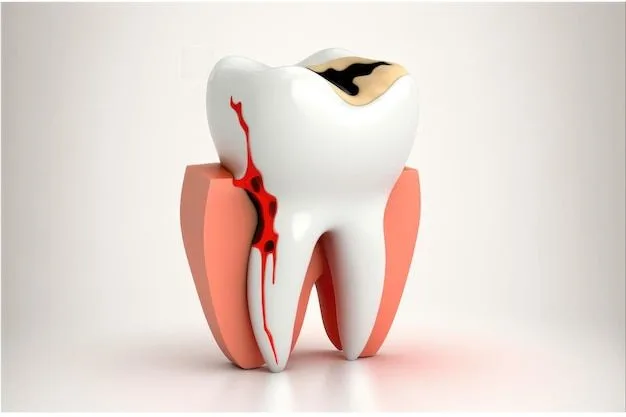
Self-treating a toothache is dangerous for two main reasons:
- The symptom is masked, but the problem persists. The patient temporarily eliminates the pain syndrome, but the underlying cause continues to progress.
- Lack of diagnosis. Without an X-ray and an examination by a doctor, it is impossible to determine the cause of tooth decay, meaning there is no way to choose appropriate treatment.
Ultimately, the individual is left with an illusion of improvement, even as the disease advances to a more complex stage where the toothache becomes severe and treatment becomes much more expensive.
In this article, we will discuss the risks of self-treatment and examine why treating your own teeth is so dangerous.
Why You Should Not Self-Treat a Toothache
Self-treating a toothache creates risks that patients often underestimate:
- Worsening of the inflammatory process: conditions causing toothaches progress rapidly and can lead to a dental abscess.
- Expansion of the affected area: the infection can spread to surrounding tissues, leading to the development of pulpitis and periodontitis.
- Threat to overall health: purulent tooth inflammation can cause fever and swelling, and lead to the infection of vital anatomical structures.
- Risk of tooth loss: what could have been treated with a simple filling often ends in extraction if delayed.
- Increased treatment costs: advanced cases may require tooth extraction, prosthetics, and even surgical intervention.
The Danger of Home Remedies for Toothaches
Many patients, when experiencing severe discomfort, resort to “folk” methods. Often, these decisions are driven by a lack of understanding regarding the true reasons why you cannot treat teeth at home.
- Warm compresses: heat increases blood flow, causing inflammation to progress faster. This results in significant swelling, intensified pain, and the potential formation of a purulent focus.
- Frequent rinsing with baking soda, salt, or herbs: such remedies do not penetrate the source of inflammation, which is most often located inside the tooth or under the gum.
- Cauterization with vinegar, alcohol, or other substances: these measures can lead to chemical burns of the soft tissues and worsen the condition.
- Incorrect use of painkillers: uncontrolled intake of analgesics harms the liver, stomach, and cardiovascular system. Most importantly, it creates a false sense that everything is under control.
- Attempts at mechanical intervention: this is dangerous as it can spread the infection and damage tissues.
- Applying “something cold”: applying ice without protection can cause vascular spasms and exacerbate the pain.
Self-treating a toothache always carries the risk of complications. Without professional diagnostics, it is impossible to determine the true nature of the problem. The earlier a patient seeks help, the higher the chances of saving the tooth, avoiding inflammatory complications, and minimizing treatment costs.